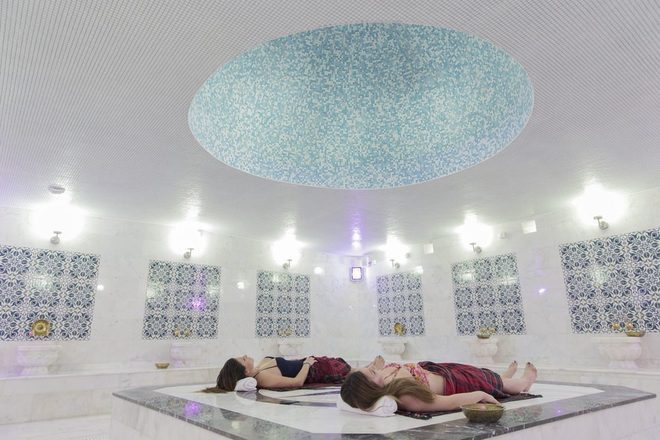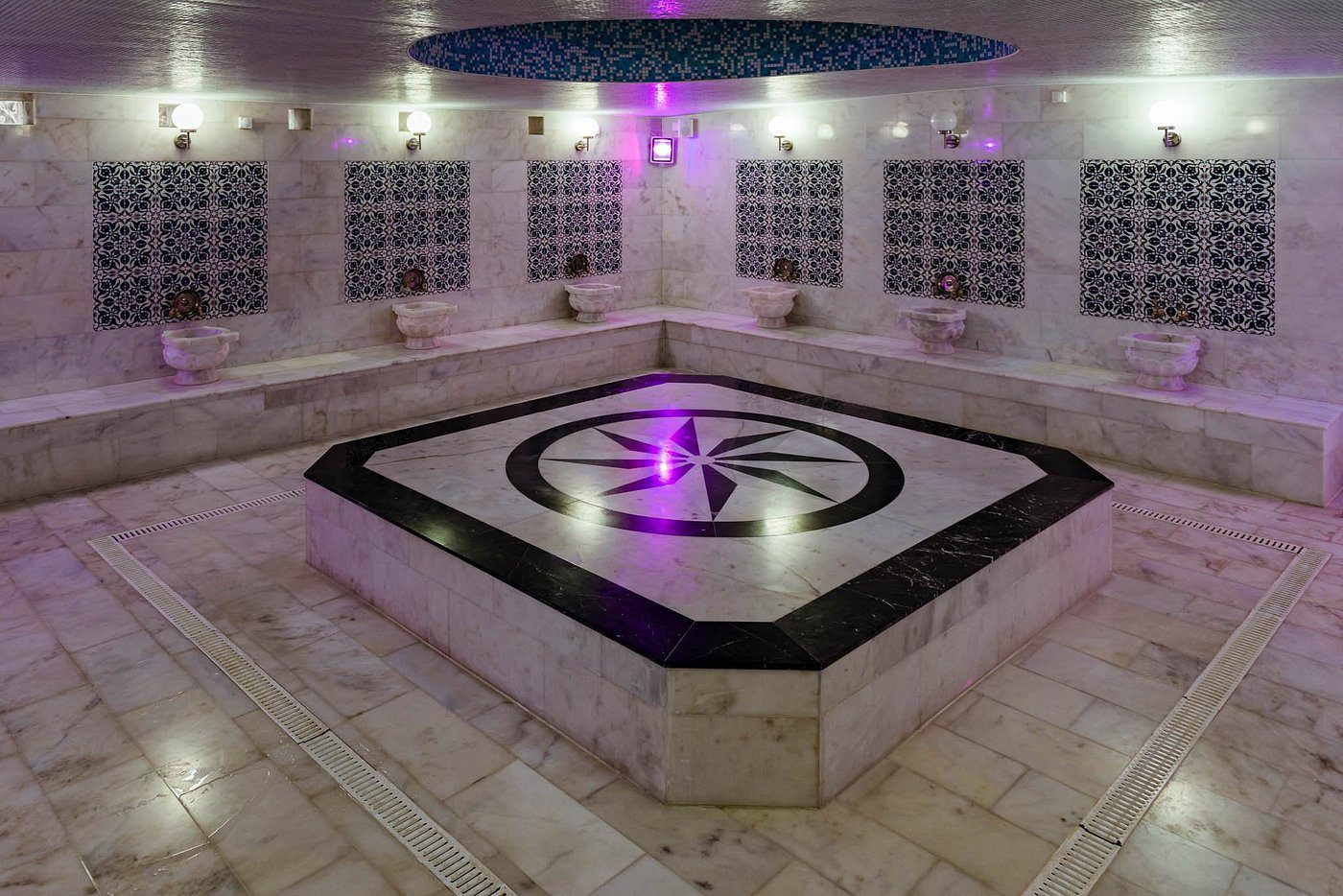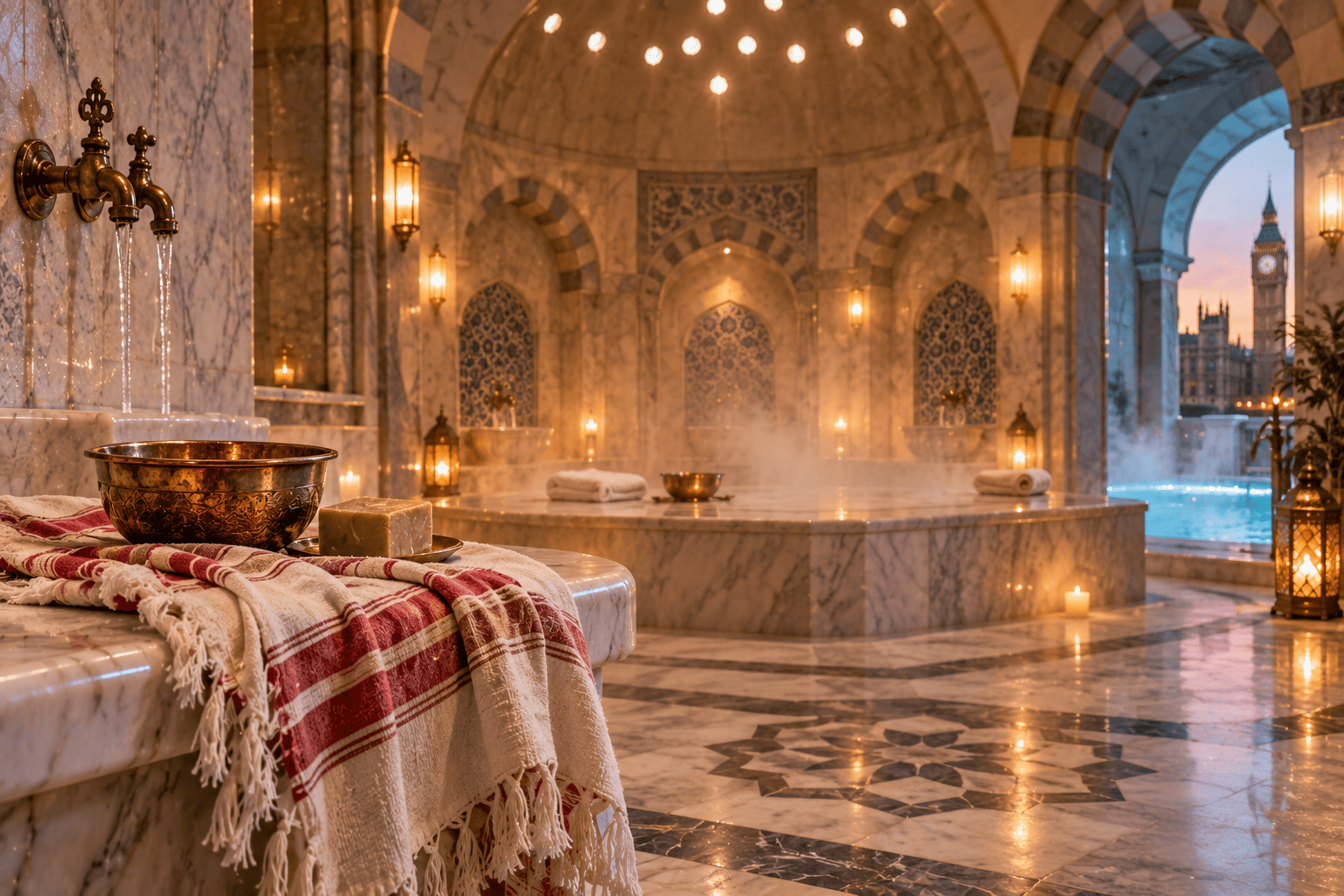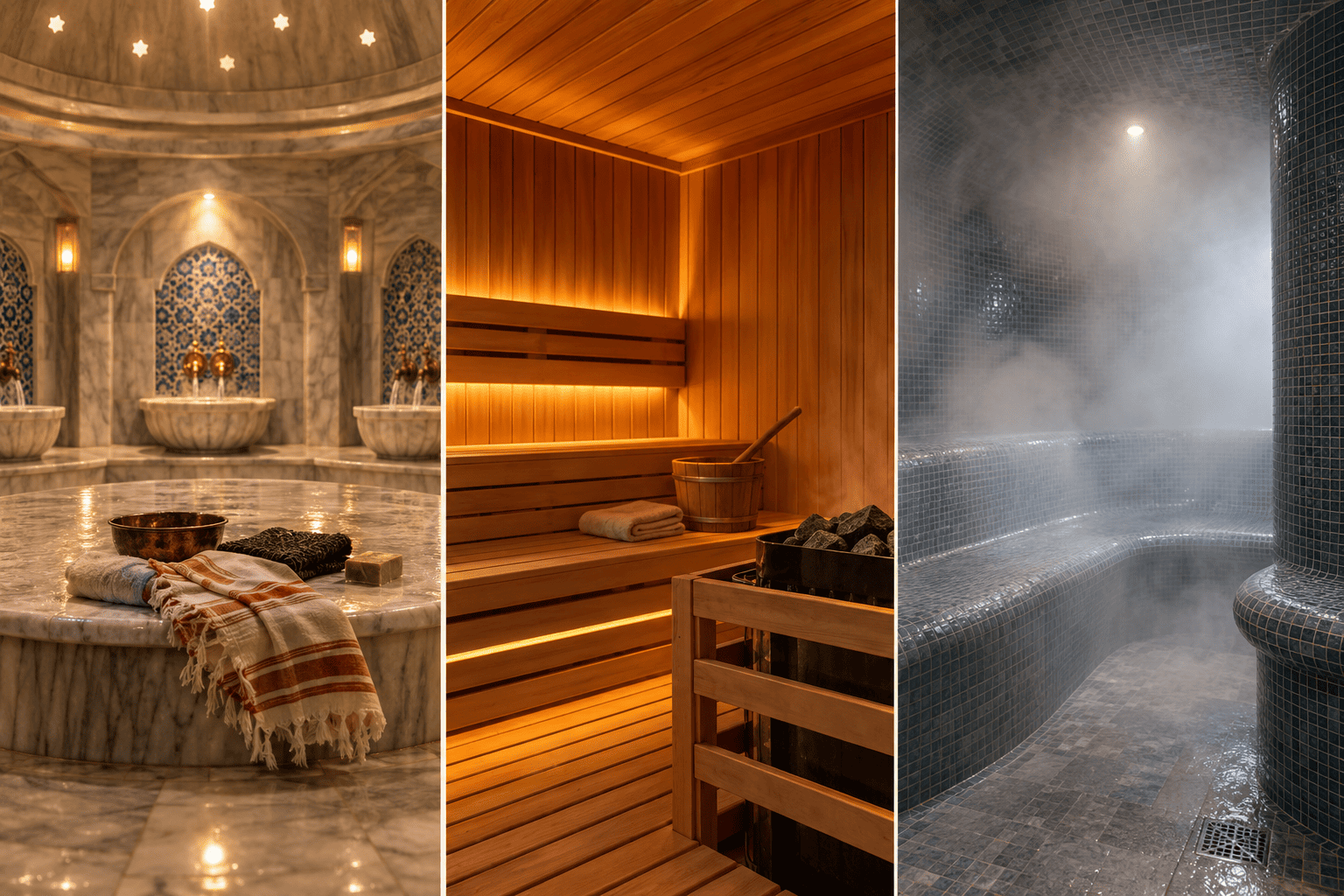
Steam rises around you. Beads of sweat form along your skin. The heat penetrates deeper than just your pores – it reaches into the microscopic universe thriving on your epidermis. You’ve entered the hammam, but have you considered what’s happening to the trillions of microorganisms calling your skin home?
The Skin Microbiome and the Hammam isn’t just a catchy wellness phrase. It represents an intriguing intersection of ancient bathing practices and cutting-edge microbiology. As you recline on heated marble, your invisible companions; bacteria, fungi, mites, and viruses – are experiencing their own dramatic transformation.
Your Skin: A Living Ecosystem
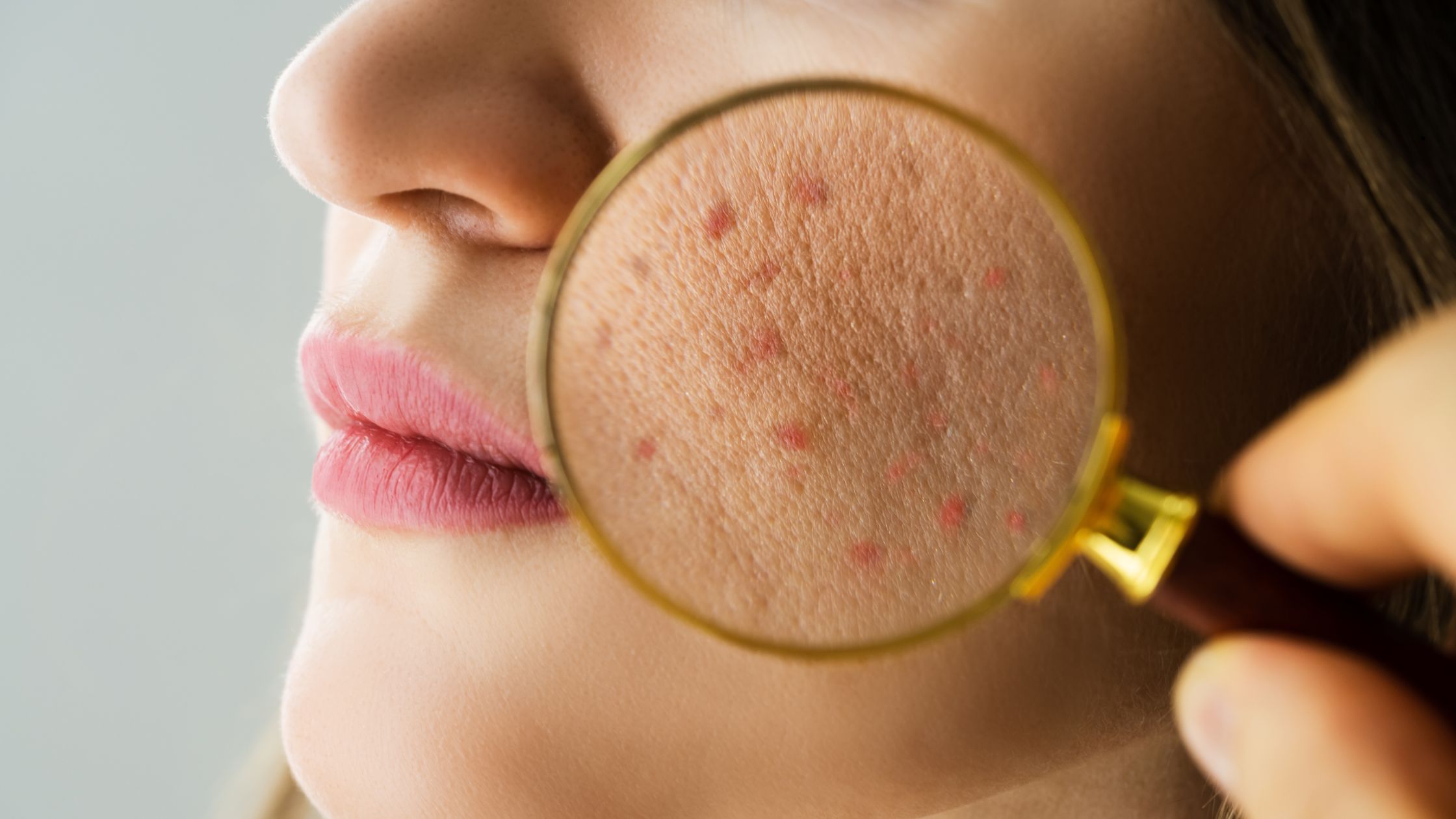
The average human hosts roughly 1,000 species of bacteria across their skin. This diverse community varies dramatically between your oily forehead and dry forearms, your moist armpits and the cool terrain of your ankles. This ecosystem – your personal skin microbiome, plays crucial roles in defending against pathogens, educating your immune system, and maintaining skin barrier function.
When you step into the intense heat and humidity of a hammam, you’re not just treating yourself – you’re subjecting this microbial community to environmental extremes. This raises fascinating questions about the skin microbiome and the hammam relationship: Does the steam ceremony harm beneficial microbes? Does it clear away problematic ones? Is the traditional exfoliation helping or hurting?
Heat, Humidity, And Microbial Dynamics
“The hammam creates a dramatic shift in the skin’s microclimate,” explains Dr. Maya Rivkin, dermatological microbiologist at King’s College London. “The combination of high heat and humidity temporarily changes the playing field for different microbial populations.”
Research indicates that skin temperature in a hammam can rise to 40°C (104°F) or higher. This heat activates sweat glands, triggering a protective cooling response. Your skin becomes a more hospitable environment for some microbes while challenging others.
Studies examining the skin microbiome and the hammam experience have revealed surprising findings. Heat-loving bacteria (thermophiles) may briefly flourish during hammam sessions. Some researchers hypothesize that these temporary population shifts might contribute to the skin-clearing benefits many hammam enthusiasts report.
“It’s similar to how a low-grade fever can help your body fight infection,” notes Dr. Rivkin. “Temporarily raising skin temperature might help keep certain problematic microbes in check.”
The Exfoliation Question
No investigation into the skin microbiome and the hammam would be complete without addressing kessa exfoliation; the vigorous scrubbing ritual often incorporated into hammam experiences.
Traditional hammam practitioners use a coarse mitt to slough away dead skin cells. This physical exfoliation removes the outermost layer of the epidermis, where many microorganisms reside. Does this disrupt the microbial balance?
“It’s complicated,” says Dr. Omar Farouk, ethnobotanist specializing in traditional bathing practices. “The exfoliation does remove some microbial populations, but it might act as a ‘reset button’ rather than causing lasting harm.”
Research from the University of California found that mechanical exfoliation temporarily reduces microbial diversity but may ultimately promote healthier recolonization patterns. The skin microbiome typically recovers within 24-72 hours, potentially with improved balance.
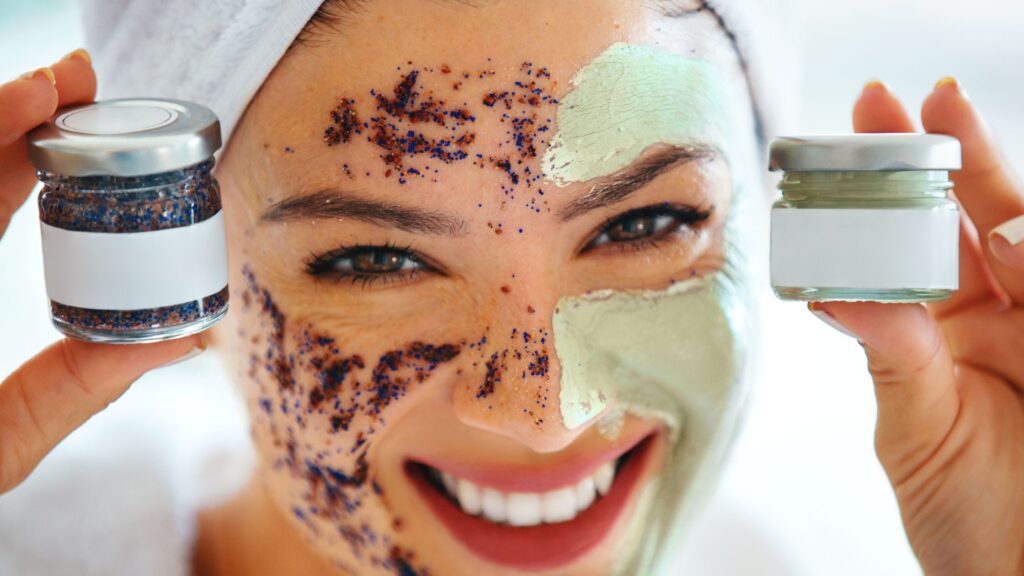
Soap, Oil, and Aftercare: The Chemistry of Clean
Traditional hammam practices include specific soaps and oils that further influence the skin microbiome and the hammam relationship. Moroccan black soap (savon noir), rich in olive oil and potassium hydroxide, creates an alkaline environment that may inhibit pathogenic bacteria while preserving beneficial species.
The application of argan or other nutrient-rich oils following hammam treatments provides specific fatty acids that benefit both skin cells and certain commensal bacteria. These oils may help restore the skin’s acid mantle – the slightly acidic film that protects skin and supports beneficial microbes.
“The entire hammam ritual seems designed to challenge and then restore the skin ecosystem,” explains Dr. Farouk.
“The research suggests that this cycle of disruption and recovery might strengthen the skin microbiome over time, similar to how exercise stresses and then strengthens muscles.”
Listening to Your Skin
Individual responses to the skin microbiome and the hammam vary dramatically. People with certain skin conditions may notice improvements after regular hammam sessions, while others might experience flare-ups.
Dr. Rivkin’s research team found that participants with mild to moderate acne often saw improvements after a six-week program of weekly hammam sessions. The hypothesis? The steam and heat may help regulate sebum production while the microbial shifts potentially reduce populations of Cutibacterium acnes, bacteria associated with acne formation.
Conversely, those with rosacea or extreme sensitivity might find the intense heat exacerbates their symptoms. The key lies in personalization and attention to your skin’s signals.
“Think of hammam treatments like exercise for your skin microbiome,” suggests Dr. Rivkin. “The right amount provides benefits, but overdoing it can cause problems. The ideal frequency depends on your unique skin ecology.”
Finding Balance: Traditional Wisdom Meets Modern Science
The most intriguing aspect of the skin microbiome and the hammam may be how centuries-old practices align with cutting-edge understanding of microbial health. The hammam’s cycle of warming, sweating, exfoliating, and nourishing mirrors what scientists now recognize as beneficial for skin microbiome diversity.
“Traditional hammam practitioners intuitively developed protocols that modern science is just beginning to validate,” notes Dr. Farouk. “The ritual’s precise timing, temperature progression, and aftercare seem calibrated to challenge and then restore the skin ecosystem.”
Research from Istanbul University tracked skin microbiome changes in regular hammam users compared to non-users. After six months, the hammam group showed greater microbial diversity and resilience, with fewer reported skin issues during seasonal transitions.
The Ritual Beyond Science
While the microbiology of the skin microbiome and the hammam fascinates researchers, hammam devotees often cite benefits beyond measurable scientific outcomes. The ritual’s mental health aspects – stress reduction, improved sleep quality, and social connection, may indirectly benefit skin health through reduced inflammation and cortisol regulation.
“The hammam experience creates a complete package of physiological and psychological benefits,” explains wellness researcher Dr. Sophia Chen. “The relaxation response triggered during sessions affects hormone levels that directly influence skin health and microbial balance.”
This mind-skin connection adds another layer to understanding how hammam practices might support overall skin ecosystem health.
Practical Applications: Finding Your Hammam Rhythm
For those curious about exploring the skin microbiome and the hammam relationship firsthand, experts recommend starting conservatively:
- Begin with shorter sessions (15-20 minutes) at lower temperatures
- Introduce exfoliation gradually, watching how your skin responds
- Pay attention to timing – post-exercise hammam sessions may offer enhanced benefits
- Consider seasonal adjustments – your skin microbiome has different needs throughout the year
“Listen to your skin,” emphasizes Dr. Rivkin. “The goal isn’t to strip away your natural microbiome but to support its optimal function.”
Experience The Transformation at The Old Hammam
If you’re intrigued by the fascinating relationship between the skin microbiome and the hammam, experiencing this ancient practice firsthand offers both pleasure and potential skin health benefits. In the heart of Edmonton, London, The Old Hammam offers authentically designed steam rooms and expert treatments that honor traditional techniques while incorporating modern understandings of skin health.
Our skilled practitioners at The Old Hammam can guide you through customized treatments that respect your unique skin ecosystem while delivering the full sensory experience of this centuries-old bathing ritual. Furthermore, our approach balances traditional wisdom with contemporary knowledge about maintaining a healthy skin microbiome.
The next time you sink into the enveloping steam at The Old Hammam, you’ll appreciate that you’re not just treating yourself – you’re engaging in a fascinating biological dance with the trillions of microscopic companions that help keep your skin healthy, resilient, and radiant.