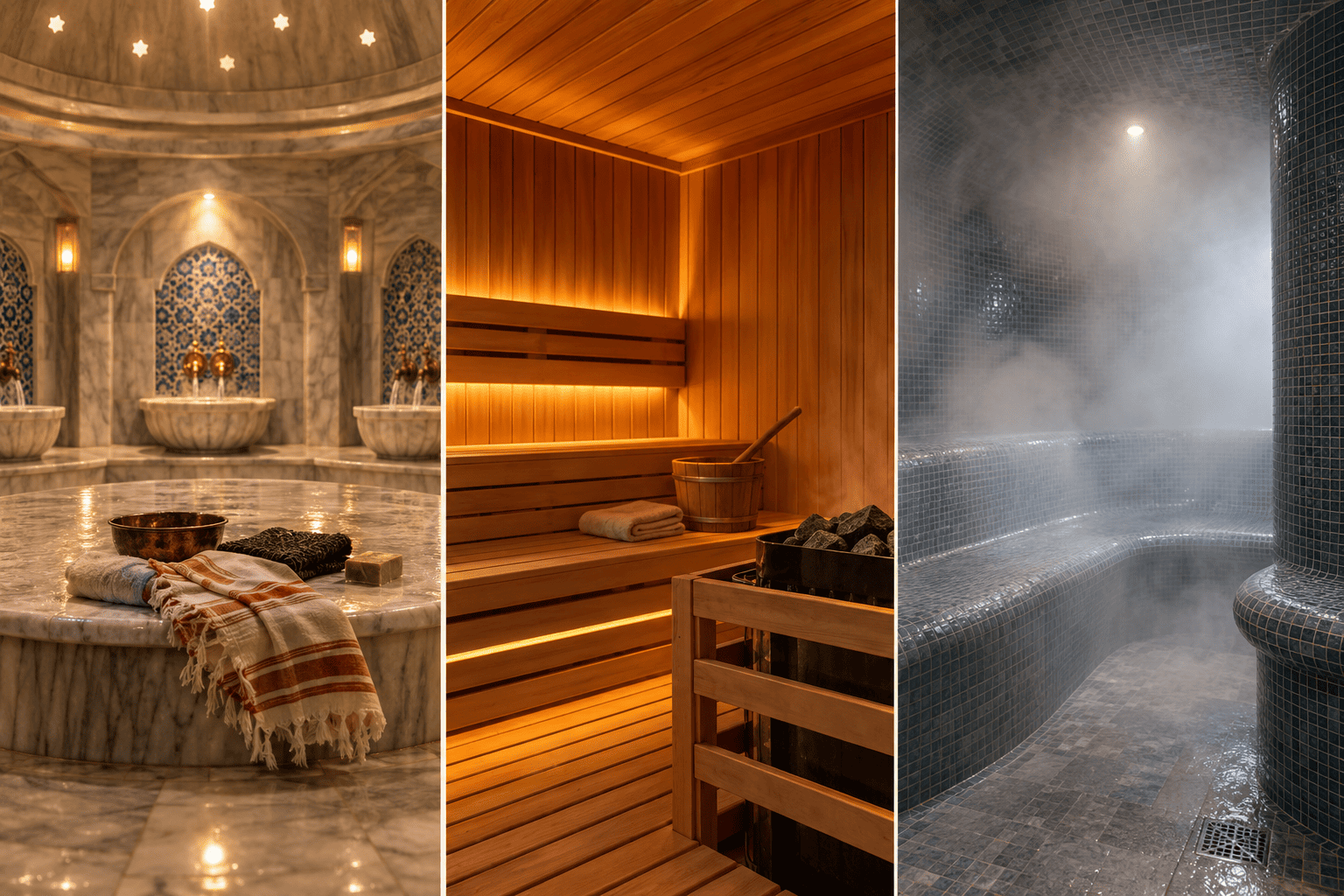
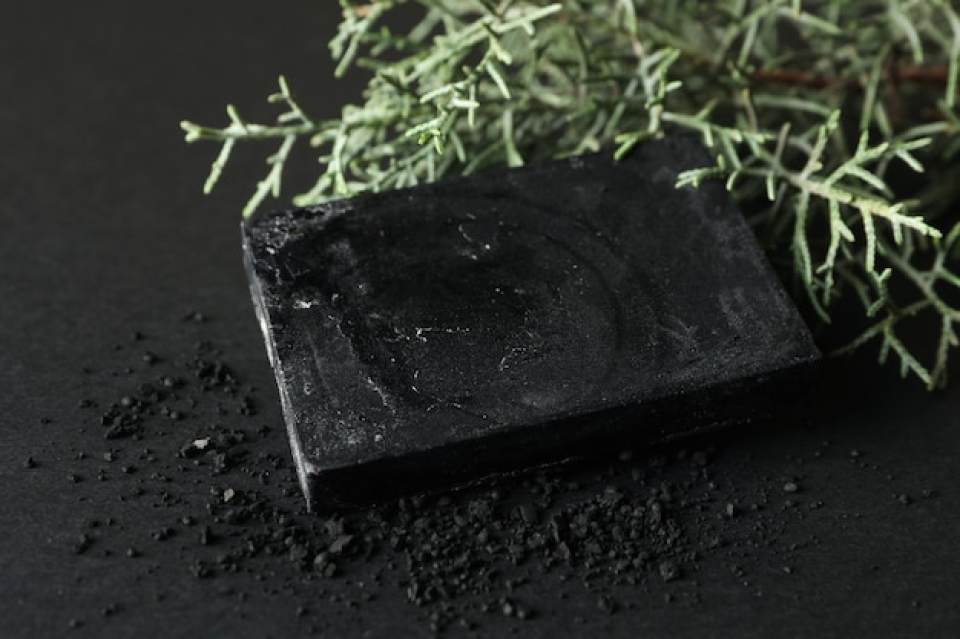
If you’ve ever used traditional African black soap and noticed your skin feeling squeaky clean, almost too clean at first – you’re experiencing the pH of black soap in action. This ancient cleanser works on a completely different level than the bottles lining your bathroom shelf, and understanding why requires us to rethink everything we’ve been told about “pH-balanced” products.
Black Soap’s pH Level
The pH of black soap typically sits between 9 and 10 on the pH scale. For context, that’s solidly alkaline. Your skin? It naturally hovers around 4.5 to 5.5, making it slightly acidic. Commercial cleansers love to brag about being “pH-balanced,” which usually means they’ve formulated their products to match your skin’s natural acidity. They’ve convinced us this is the gold standard.
But, the pH of black soap throws that rule book out the window, and people have been using it successfully for centuries. African black soap is made from plantain skins, cocoa pod ash, palm kernel oil, and shea butter. When these ingredients come together through traditional methods, they create a natural soap with an alkaline profile that cleans in a fundamentally different way than synthetic surfactants.
Why Alkaline Black Soap Cleans Better Than You’d Expect
Your skin is covered in sebum, dead skin cells, environmental pollutants, and bacteria. Many of these substances are acidic or neutral. An alkaline cleanser like black soap can break down and dissolve these materials more effectively than pH-neutral products. It’s like a lock-and-key mechanism, sometimes you need the opposite charge to get things moving.
The pH of black soap creates an environment on your skin where oils and dirt don’t want to stick around. This explains why people often describe that “squeaky clean” feeling after using it. That sensation isn’t damage; it’s thorough cleansing. Your skin’s acid mantle, that protective layer everyone talks about, is remarkably resilient. It typically restores itself within 30 minutes to two hours after washing.
How Your Skin Balances pH After Using Black Soap
Here’s a secret: Your skin is designed to regulate its own pH. It’s not a delicate flower that collapses the moment something alkaline touches it. In fact, exposing your skin to different pH levels can stimulate its natural regulatory systems.
When you use a product with the pH of black soap, your skin responds by activating its buffering mechanisms. This process involves several components: the acid mantle (made of sebum and sweat), natural moisturizing factors, and the skin’s own cellular processes. Some dermatologists argue that constantly using perfectly pH-matched products might actually make skin lazy, preventing it from maintaining its own balance effectively.
Black Soap And Your Skin Microbiome: What You Need to Know
Your skin hosts trillions of microorganisms such as bacteria, fungi, and other microscopic life forms that make up your skin microbiome. These organisms don’t all thrive at the same pH. Some prefer acidic environments, others lean alkaline. The pH of black soap temporarily shifts the environment, which can actually help balance overgrowths of certain bacteria.
Acne-causing bacteria, for instance, tend to flourish in specific pH ranges. By occasionally using a cleanser with the pH of black soap, you’re creating an environment that’s less hospitable to these troublemakers. This doesn’t mean scrubbing your face raw with black soap twice daily; it means strategic use can help reset your skin’s bacterial landscape.
Natural Ingredients That Make Black Soap Different
Commercial cleansers achieve their neutral pH through synthetic ingredients, chemical buffers, and preservatives. The pH of black soap comes from natural ash, which contains potassium and other minerals. These minerals don’t just adjust pH, they also provide nutrients that your skin can actually use.
Potassium helps with cellular function. The natural glycerin that remains in traditional black soap (unlike commercial soaps, where it’s often removed and sold separately) draws moisture into your skin. The raw plant materials provide vitamins A and E. You’re not just cleansing; you’re feeding your skin compounds it recognizes and can process.
The Right Way to Use High pH Black Soap on Your Skin
Using black soap isn’t about slathering it on and hoping for the best. Because the pH of black soap is alkaline, you need to approach it differently than your drugstore face wash. First, always dilute it. Traditional black soap is potent. Create a lather in your hands with water before applying it to your face or body.
Second, don’t leave it on your skin. The alkaline pH is meant for cleansing, not for lounging around on your face for ten minutes. Wash and rinse thoroughly. Third, follow up with a toner or hydrating product that helps your skin return to its natural pH more quickly. Rose water, for example, is slightly acidic and works beautifully after black soap.
What to Expect When You Start Using Black Soap
When you first start using products with the pH of black soap, your skin might protest. You might experience some dryness or tightness as your skin adjusts to this different cleansing approach. This is normal and temporary. Your skin has been conditioned by years of synthetic pH-balanced products. It needs time to remember how to regulate itself.
Start by using black soap once or twice a week, not daily. Pay attention to how your skin responds. Some people find they can eventually use it every day; others prefer it as a weekly deep clean. There’s no universal prescription because skin varies dramatically between individuals based on genetics, climate, lifestyle, and existing skin conditions.
When Black Soap Isn’t the Best Choice For Your Skin
Honestly, the pH of black soap isn’t right for everyone in every situation. If you have severely compromised skin barrier function – think eczema flare-ups, chemical burns, or post-procedure healing, you probably want something gentler and closer to your skin’s natural pH. If you have extremely dry or sensitive skin, you might do better with a cream cleanser.
Black soap shines for oily skin, combination skin, body acne, and people who want a genuinely deep clean without synthetic ingredients. It’s excellent for regular exfoliation without microbeads or harsh scrubs. The slight roughness of authentic black soap provides gentle physical exfoliation while the alkaline pH handles chemical cleansing.
Experience Traditional Cleansing at The Old Hammam
Understanding the pH of black soap opens up a world of traditional skincare wisdom that modern products have largely abandoned. At The Old Hammam & Spa in Edmonton, London, we honor these ancient cleansing traditions with authentic hammam experiences that feature genuine black soap alongside traditional exfoliation techniques.
Our skilled practitioners understand how to work with black soap’s unique properties to give your skin the deep, thorough cleanse it deserves without compromising your skin’s health. We combine the cleansing power of black soap with steam, exfoliation, and nourishing treatments that support your skin’s natural functions.