Did you know that your skin can tell the difference between 95% humidity and 100% humidity, even if you can’t?
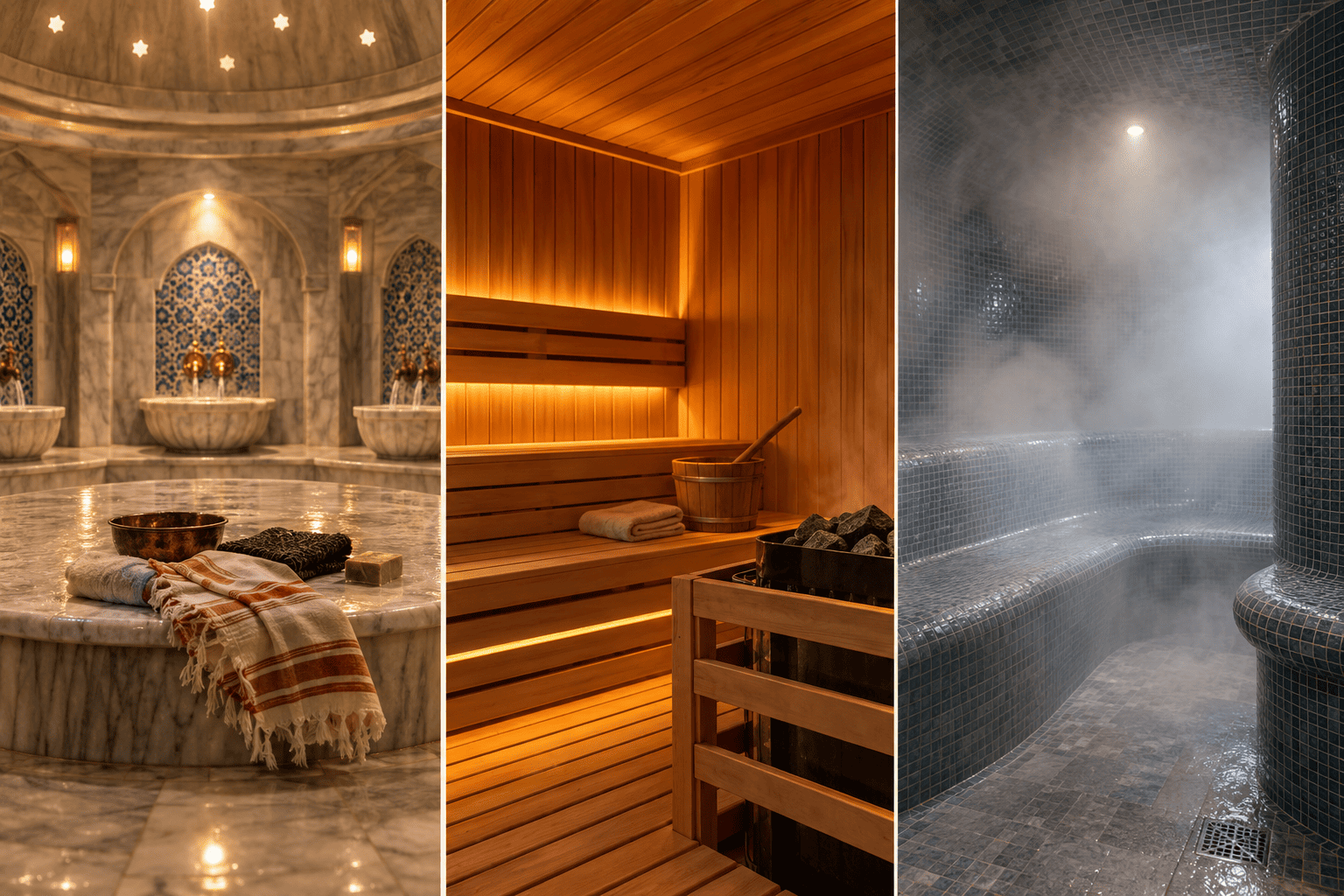
A dermatological study found that skin moisture retention is varied by up to 40% depending on the consistency of humid environments, not just their peak levels. Yet walk into any wellness conversation, and people lump hammams and steam rooms together as if they’re interchangeable fog boxes. They’re not. The devil, and your skin’s hydration future – lives in the details of how these spaces manage their humidity levels in hammams vs steam rooms.
Why Your Skin Actually Cares About Humidity Percentages
Humidity levels in hammams vs steam rooms aren’t just numbers on a hygrometer. They’re the difference between skin that glows for days and skin that feels tight by lunchtime. Traditional hammams typically maintain humidity between 40-60% with temperatures around 40-50°C, while Western steam rooms push 95-100% humidity at similar or higher temperatures. Your skin’s outermost layer, the stratum corneum, responds to these environments like a sponge, but not all water exposure is created equal.
The consistency factor matters because your skin needs time to actually absorb and retain moisture, not just get wet. Think about it: standing under a waterfall doesn’t hydrate your skin better than a long bath. The same principle applies here. Hammam humidity works gradually, allowing the heat to open pores while moisture penetrates without overwhelming your skin’s natural barrier function.
How Skin Barrier Function Works
Your skin barrier isn’t designed to handle aggressive hydration spikes. When steam rooms blast you with near-complete saturation instantly, your skin’s lipid layers can actually become disrupted. It’s like trying to water a plant with a fire hose – sure, there’s moisture, but the delivery method matters. Hammams, with their moderate and consistent approach, support the natural transepidermal water loss (TEWL) process rather than shocking it into submission.
How Traditional Hammams Engineer Consistent Moisture
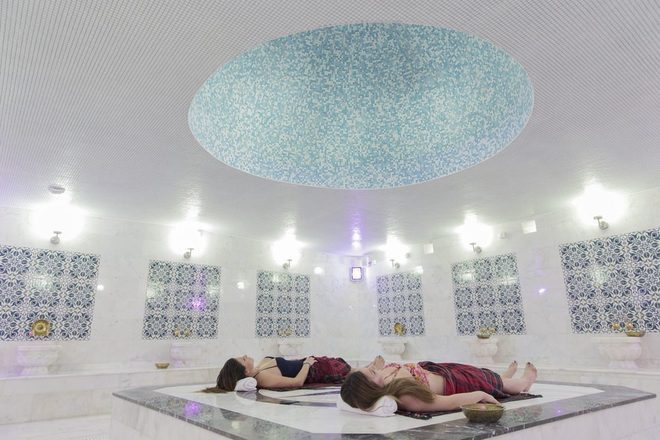
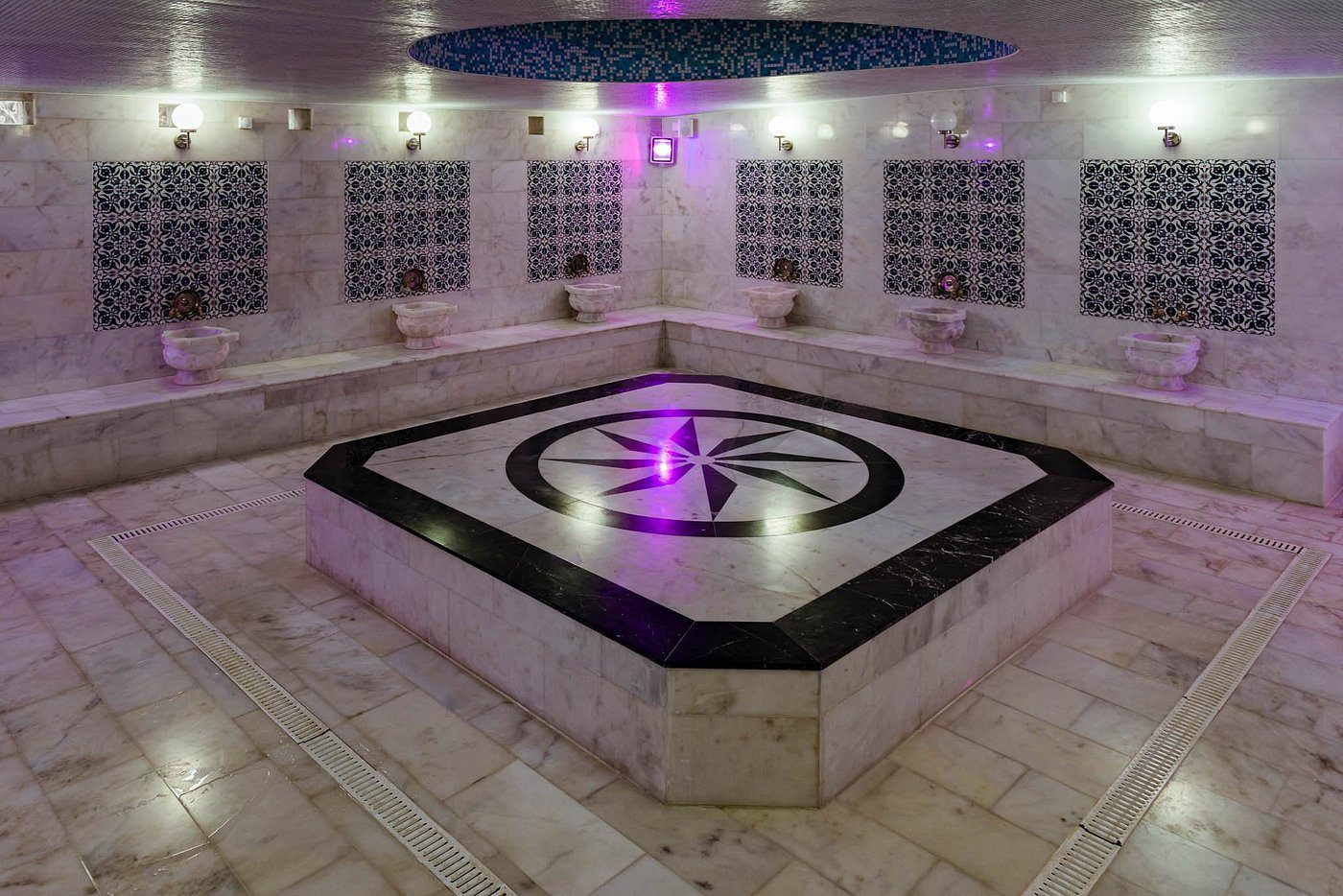
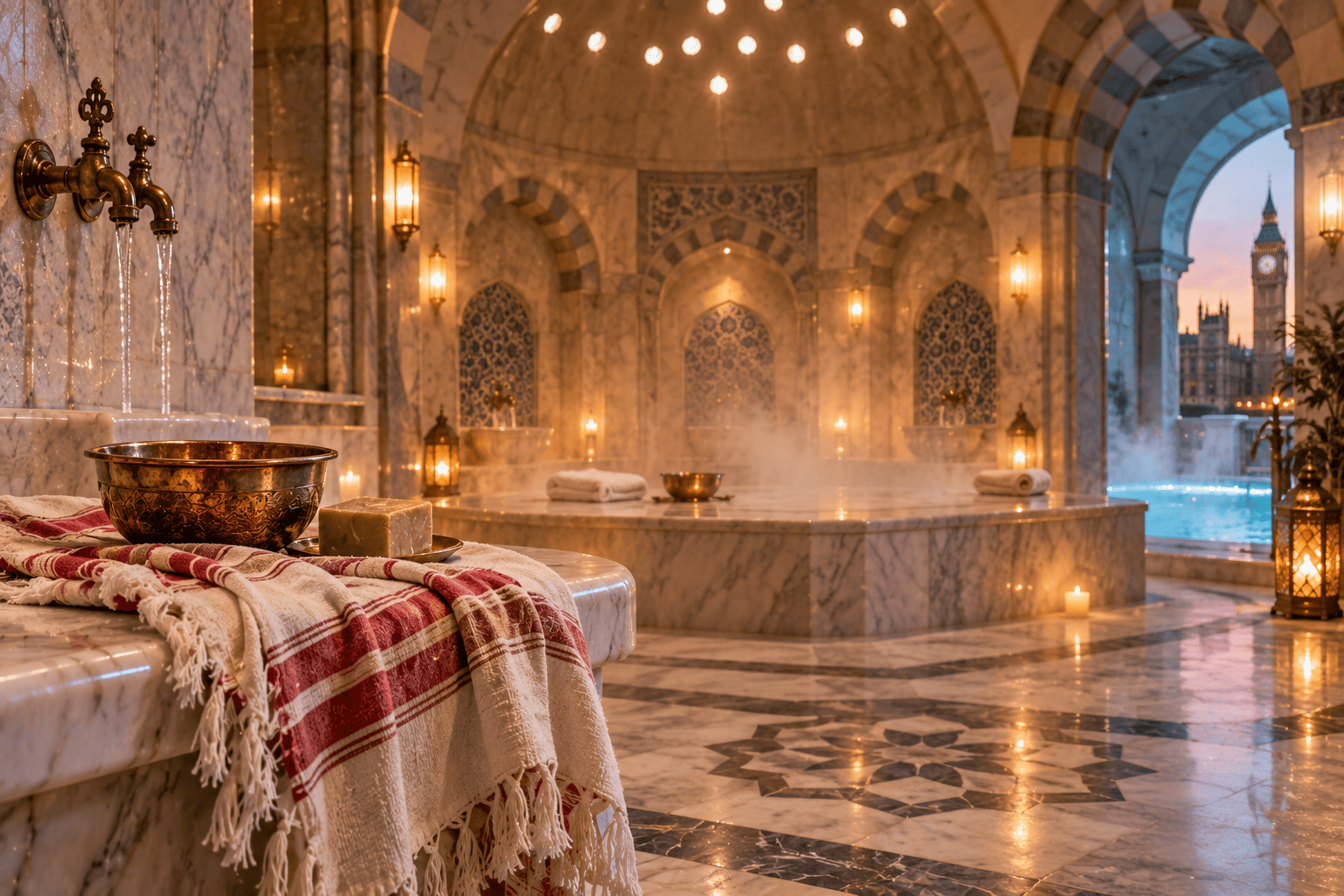
The architectural genius of traditional hammam design often goes unnoticed. These spaces weren’t built with digital controls; they achieved remarkable humidity consistency through thermal mass and thoughtful ventilation. Stone walls heated from below create a stable environment where humidity levels in hammams vs steam rooms demonstrate the former’s superiority in steadiness.
Here’s what happens in a properly designed hammam:
- Heated marble or stone floors radiate warmth evenly throughout the space.
- Thick walls retain heat and release it gradually, preventing temperature spikes.
- Vaulted ceilings allow steam to circulate without creating uncomfortable hot spots.
- The moisture comes partially from the heated surfaces themselves, not just added steam.
This creates an environment where your skin hydration improves incrementally. You’re not gasping for air or feeling overwhelmed. Instead, your body temperature rises steadily, your pores open naturally, and moisture has time to penetrate the epidermis layers effectively.
The Ritual Element
Duration matters enormously for skin moisture retention. Humidity levels in hammams vs steam rooms become most apparent when you factor in how long people actually stay in each environment. Steam rooms? Most people last 10-15 minutes before the intensity drives them out. Hammams? The ritual often spans 30-60 minutes or more, with multiple stages of warming, cleansing, and cooling.
This extended exposure to consistent, moderate humidity gives your skin’s natural hydration mechanisms time to work properly. Your sebaceous glands can function optimally without being overwhelmed. Your collagen and elastin fibers get the warmth they need to remain pliable without the aggressive assault that can actually cause inflammation at the cellular level.
Steam Rooms: The Intensity Problem
Don’t get me wrong..steam rooms have their place. But the humidity levels in hammams vs steam rooms reveal a fundamental design philosophy difference. Steam rooms prioritize intensity over sustainability. That 100% humidity isn’t necessarily better for deep skin hydration; it’s just more dramatic.
Steam room humidity saturates the air so completely that condensation forms on your skin immediately. Feels impressive, right? But here’s the catch: that surface wetness isn’t the same as actual hydration. When you leave, that moisture evaporates quickly, often taking some of your skin’s natural moisture with it, especially if you don’t apply moisturizer immediately.
The temperature fluctuations matter too. Many steam rooms cycle between different intensity levels to maintain that cloud-like environment. These variations, even if subtle, mean your skin never fully acclimatizes. It’s constantly adjusting rather than settling into a rhythm that supports cellular regeneration and detoxification.
What Dermatologists Actually Say About Sustained Humidity Exposure
I spoke with several skincare specialists who work with spa facilities, and they consistently emphasize that humidity levels in hammams vs steam rooms impact different skin types in specific ways. People with rosacea or sensitive skin often find steam rooms triggering, while hammams’ gentler approach causes fewer reactions.
For those dealing with eczema or psoriasis, the consistency of hammam humidity can actually support treatment protocols. The moderate moisture helps soften plaques and scales without causing the reactive flaring that excessive heat and humidity might trigger. It’s about respecting your skin’s limits while still providing therapeutic benefits.
Dry skin types particularly benefit from the hammam approach. The extended exposure to consistent humidity helps rebuild the skin’s natural moisture barrier over time. Regular hammam visits; we’re talking weekly or bi-weekly – can genuinely improve your skin’s baseline hydration levels in ways that occasional intense steam sessions simply don’t achieve.
The Temperature-Humidity Relation
You can’t discuss humidity levels in hammams vs steam rooms without addressing their relationship with temperature. Hammams typically operate at lower temperatures than many steam rooms, which means the humidity feels different on your skin. Lower heat with moderate humidity allows for deeper tissue warming without surface stress. Your lymphatic system gets stimulated, promoting better fluid circulation and toxin removal.
Higher humidity at higher temperatures, as in steam rooms, can be counterproductive. Yes, you’ll sweat more, but excessive sweating can actually lead to dehydration if you’re not careful. The hammam’s balanced approach encourages perspiration while maintaining electrolyte balance, your body doesn’t go into emergency fluid-loss mode.
Practical Differences You’ll Actually Feel
When comparing humidity levels in hammams vs steam rooms, consider these tangible effects:
Breathing comfort: Hammams let you breathe normally; steam rooms can feel suffocating,
Skin texture post-treatment: Hammam skin feels supple and elastic; steam room skin can feel temporarily swollen.
Energy levels afterward: Hammams leave you relaxed but functional; steam rooms often leave you needing serious downtime.
Moisture retention: Hammam hydration lasts 24-48 hours; steam room moisture often disappears within hours
Why Consistency Trumps Intensity For Long-Term Skin Health
The real revelation about humidity levels in hammams vs steam rooms isn’t which one feels more impressive; it’s which one delivers sustainable results. Your skin’s microbiome thrives on consistency. Those beneficial bacteria and fungi that keep your skin healthy don’t appreciate being shocked with extreme conditions followed by complete dryness.
Regular exposure to hammam-style humidity helps maintain your skin’s pH balance naturally. The gentle, sustained moisture supports the acid mantle that protects against environmental damage and pathogenic bacteria. Over time, this translates to skin that’s genuinely healthier, not just temporarily plumper.
Experience the Difference at The Old Hammam
Understanding humidity levels in hammams vs steam rooms transforms how you approach heat therapy for skin health. At The Old Hammam & Spa in Edmonton, London, we’ve preserved the traditional approach that prioritizes consistent, therapeutic humidity over dramatic intensity. Our facility maintains the optimal environment where your skin can truly benefit from sustained moisture exposure.
If you’re dealing with dry skin, looking to enhance your complexion, or simply want to understand what authentic hammam hydration feels like, we invite you to experience the difference that consistency makes. Book your session today and discover why generations have turned to hammam traditions for lasting skin health.