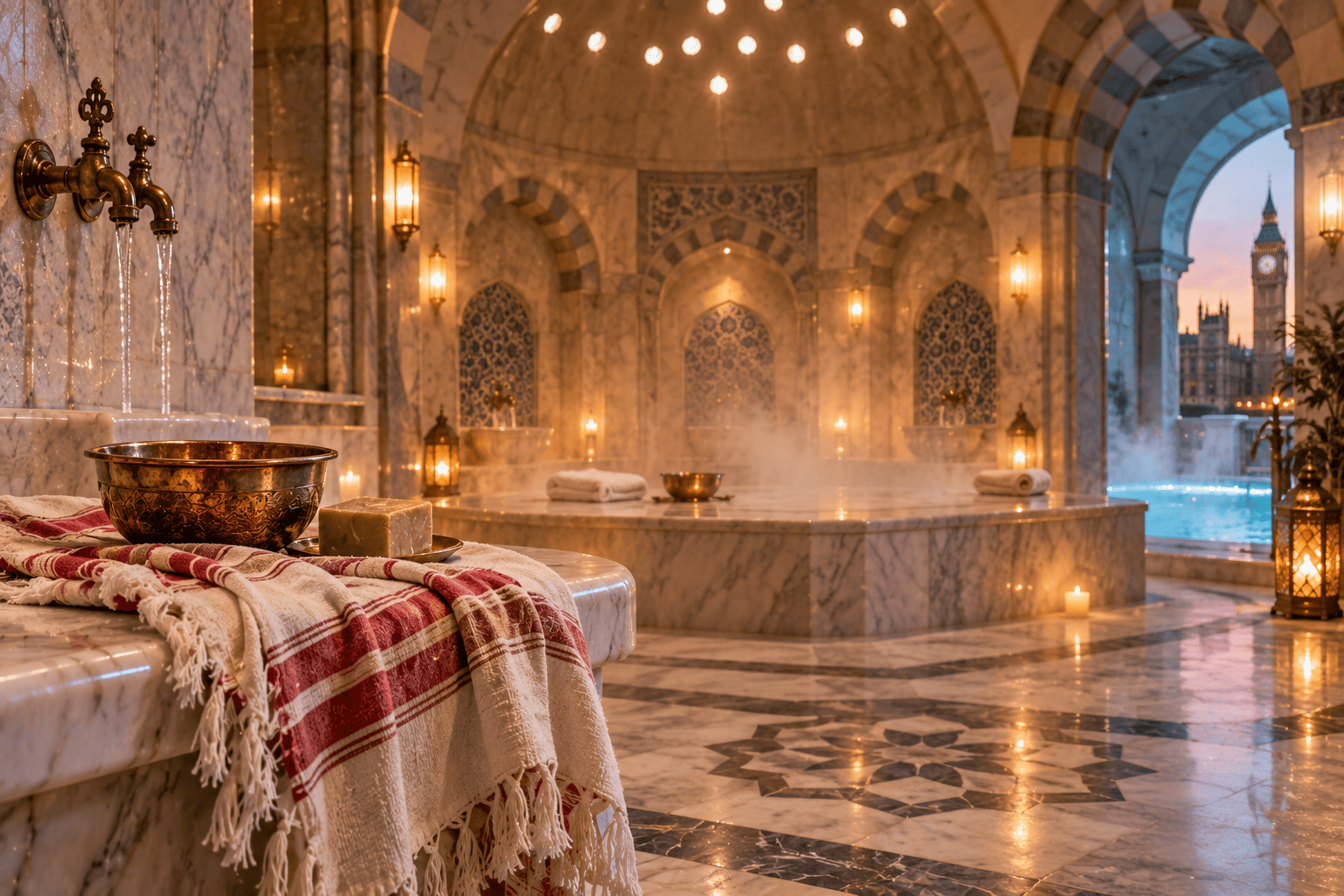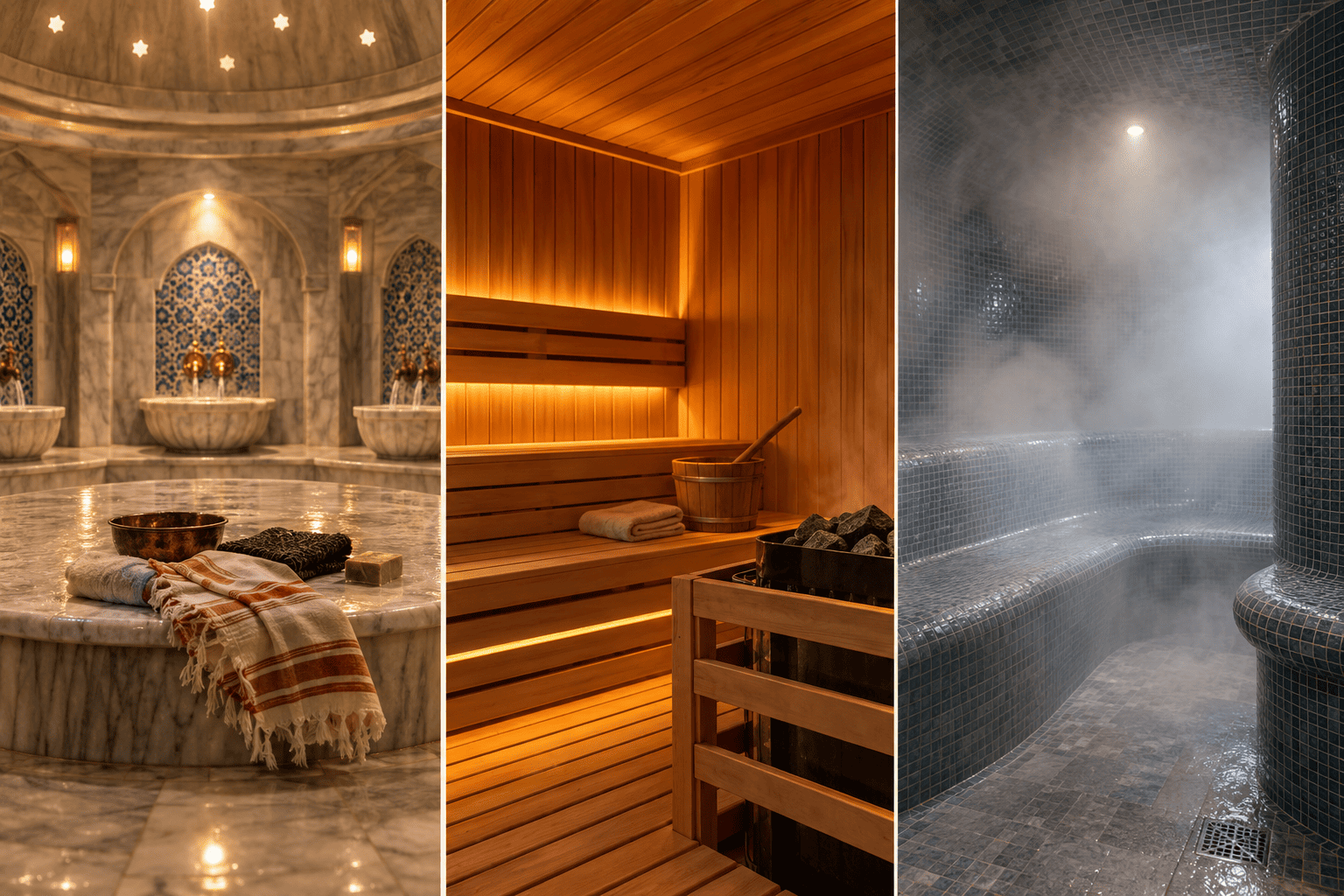
Ever noticed how you can’t just dive straight into a hammam’s hottest room without feeling like you’ve made a terrible life choice? That’s exactly where the beauty of Thermal Zoning in Hammams steps in. This centuries-old architectural and wellness concept isn’t just clever, it’s essential. It’s what makes a hammam session so wonderfully immersive, transforming your body’s resistance into relaxation, one degree at a time.
Let’s pull back the steam curtain and really get into how it all works, why it’s designed the way it is, how the rooms flow from one to another, and what it actually does for your body and mind.
A Gentle Start: The Tepidarium’s Quiet Welcome
Your body doesn’t like surprises. Jumping straight from the cool outside air into a sweltering hot chamber? Bad idea. You’ll tense up, sweat weirdly, and totally miss the point. That’s why hammams begin with the tepidarium; a warm but not hot room where your body can gently prepare itself.
This is where Thermal Zoning in Hammams begins to work its quiet magic. The tepidarium is like a warm hug after a long day. The air is softly heated, usually between 35°C and 40°C, allowing your pores to open slowly while your muscles start to unwind. You sit, you breathe, you feel your pulse slow down. Time becomes irrelevant.
Why This Gentle Start Matters
Your body adjusts naturally here. Blood circulation picks up speed, but you don’t yet feel drained or dizzy. Think of it as stretching before a workout; it’s the warm-up act for the deeper heat to come. People often underestimate this phase, but it’s what makes the rest of the hammam journey so blissful.
From Warm to Hot: The Transition Zone
Now, once you’ve spent enough time in the tepidarium, your body is ready for the next stage; the intermediate heat zone. This part often goes unnoticed, but it’s crucial. It bridges the calm warmth of the tepidarium and the intense heat of the hararet.
This middle room can range from 42°C to 45°C, a temperature that encourages deeper sweating. This stage of Thermal Zoning in Hammams isn’t just about getting hotter, it’s about training your body to handle the upcoming intensity. Your heart rate subtly rises, your breathing changes rhythm, and your skin begins to release tension and toxins.
The Underrated Power Of Transition
Without this middle stage, the jump to high heat would shock your system. The transitional zone smooths everything out, letting your body continue its slow climb without hitting discomfort. You could say it’s the hammam’s version of diplomacy, negotiating between comfort and challenge.
The Hararet: Where the Real Heat Happens
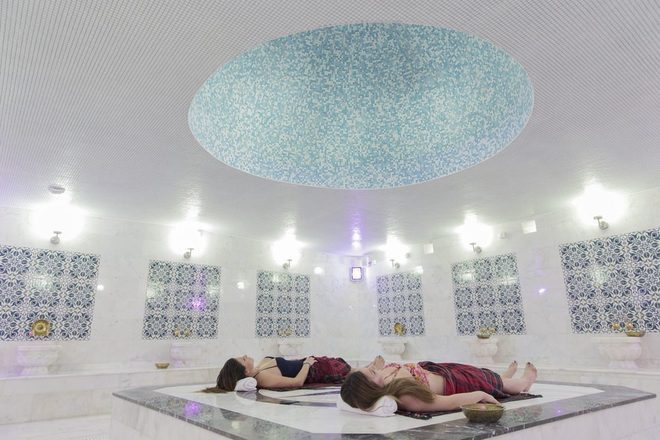
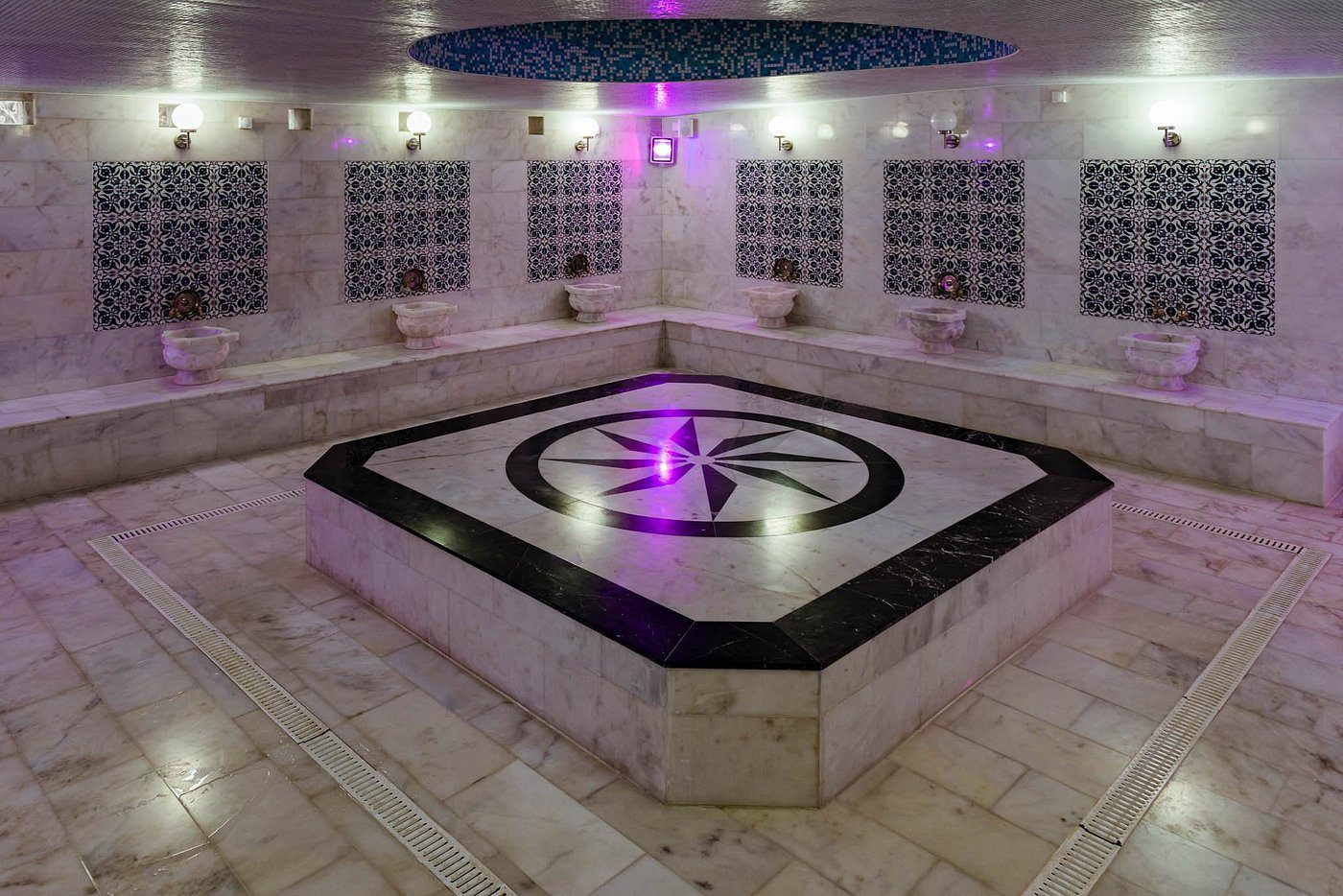
Now we’re talking. The hararet is the heart, the crown, the soul of every hammam. Step inside, and the first thing that hits you is the thick, velvety warmth, a steady 45°C to 50°C that wraps around you completely. The marble floors radiate heat. The air is dense, fragrant with steam. It’s intense but never unbearable, thanks to the gradual buildup from earlier rooms.
This final phase is where Thermal Zoning in Hammams truly shines. Your muscles soften like butter, your skin starts to glow, and your mind slips into a meditative rhythm. The heat penetrates deep into the body, releasing built-up stress and tension you didn’t even know you were carrying.
Why the Hararet Feels Transformative
This isn’t just sitting in heat, it’s surrender. Every pore is open, every muscle is loose. Sweat flows freely, carrying away impurities. Your body enters a state of pure detox, while your mind drifts into near-stillness. No phone. No chatter. Just breath and steam.
For centuries, people have described this moment as the “reset point.” You emerge lighter, calmer, and oddly clearer, as if the noise of daily life has been rinsed off.
The Architecture Behind the Magic
You might think this gradual heat flow just happens by luck..but no, it’s design genius. The layout of a hammam follows precise principles to guide the temperature journey perfectly.
Traditional bathhouses were built with a natural heat gradient. The furnace, usually located beneath the hararet, provided the highest heat. From there, the warmth radiated outward, cooling slightly with each chamber. Architects mastered Thermal Zoning in Hammams centuries before the concept had a name.
The thick marble walls held the heat, the domed ceilings prevented condensation from dripping onto guests, and small windows let in just enough light for an ethereal glow. Every stone, every vent, every door placement had purpose, to carry you gently through the heat spectrum.
A Marvel Of Design And Comfort
Modern spas might imitate hammams, but few achieve this level of intuitive temperature control. The beauty is in the progression; it’s not about extreme heat, it’s about rhythm. The warmth ebbs and flows, syncing with your body’s needs.
The Art of Gradual Heat
Let’s talk about physiology for a moment. Without getting too clinical. Your body reacts to heat by increasing circulation, dilating blood vessels, and activating sweat glands. But too much, too fast, and it rebels.
That’s why Thermal Zoning in Hammams works so brilliantly. By slowly introducing heat, your body adapts seamlessly. You don’t just survive the stea, you thrive in it.
The gradual rise in temperature encourages lymphatic drainage, improves metabolism, and supports detoxification. It also helps regulate body temperature responses, making you more tolerant to external heat in daily life.
Mind-body Harmony
This kind of thermal journey doesn’t just relax muscles—it recalibrates your nervous system. The shift from room to room mirrors the transition from chaos to calm, from tension to release. It’s like a physical meditation guided by architecture.
Cooling Down: The Return to Balance
After the hararet, the story isn’t over. You step back into cooler air, maybe rinse with cold water, and suddenly, everything tingles. Your skin tightens, your senses sharpen, and your energy renews. This cool phase completes the cycle of Thermal Zoning in Hammams, bringing your body back to its natural equilibrium.
That contrast between hot and cold stimulates circulation even further and leaves you with that unmistakable post-hammam buzz..relaxed but awake, soft but strong.
Never Skip This Part
People often rush this stage, but it’s key to feeling amazing afterward. It’s the body’s version of hitting “save” after all that deep work. The balance of temperature is what seals in the benefits.
Why Thermal Zoning Still Matters Today
In today’s spa world of instant gratification, it’s tempting to crank the sauna to max heat and call it a day. But the wisdom behind Thermal Zoning in Hammams remains unmatched. It teaches patience, presence, and respect for the body’s natural rhythm.
By letting the body move through warmth gradually, hammams offer more than relaxation, they offer restoration. It’s a ritual of recalibration, reminding us to slow down and listen to what our bodies are actually saying.
And the best part? Every session feels different. Some days, the tepidarium feels like heaven. Other times, it’s the hararet that breaks through your stress barrier. That’s the beauty of a ritual; it meets you where you are.
Experience It For Yourself at The Old Hammam
Talking about Thermal Zoning in Hammams is one thing, but living it? That’s where the real magic happens. At The Old Hammam in Edmonton, London, we stay true to traditional zoning practices while blending them with modern comfort. From the tranquil tepidarium to the soul-stirring heat of the hararet, every room tells a story of balance, care, and timeless relaxation.
Ready to feel what centuries of spa wisdom can do for you? Step inside The Old Hammam, let the steam guide you, and discover why authentic heat progression is more than a spa experience; it’s a ritual for the senses.
Book your session today, and let your body rediscover what real relaxation feels like.