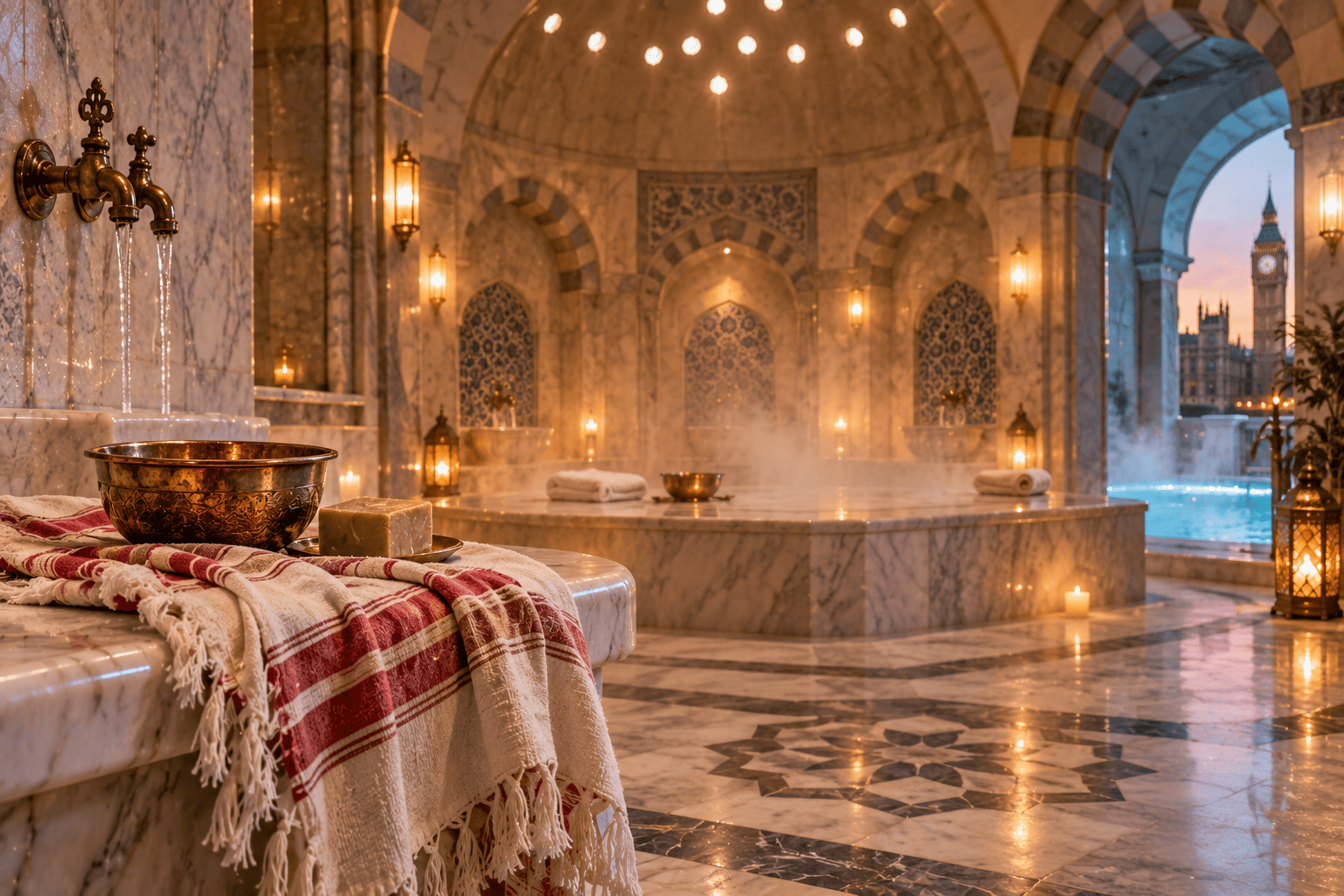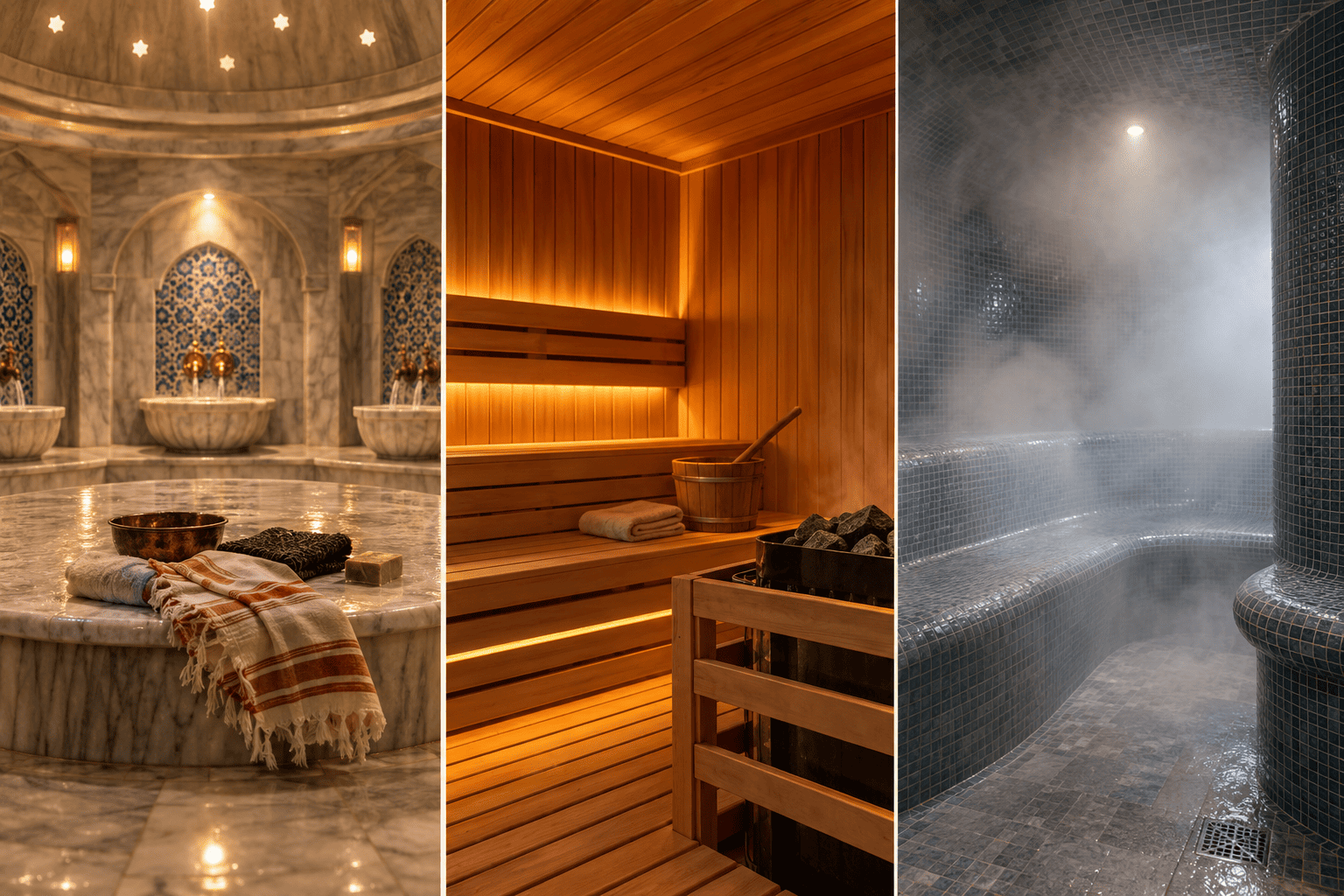
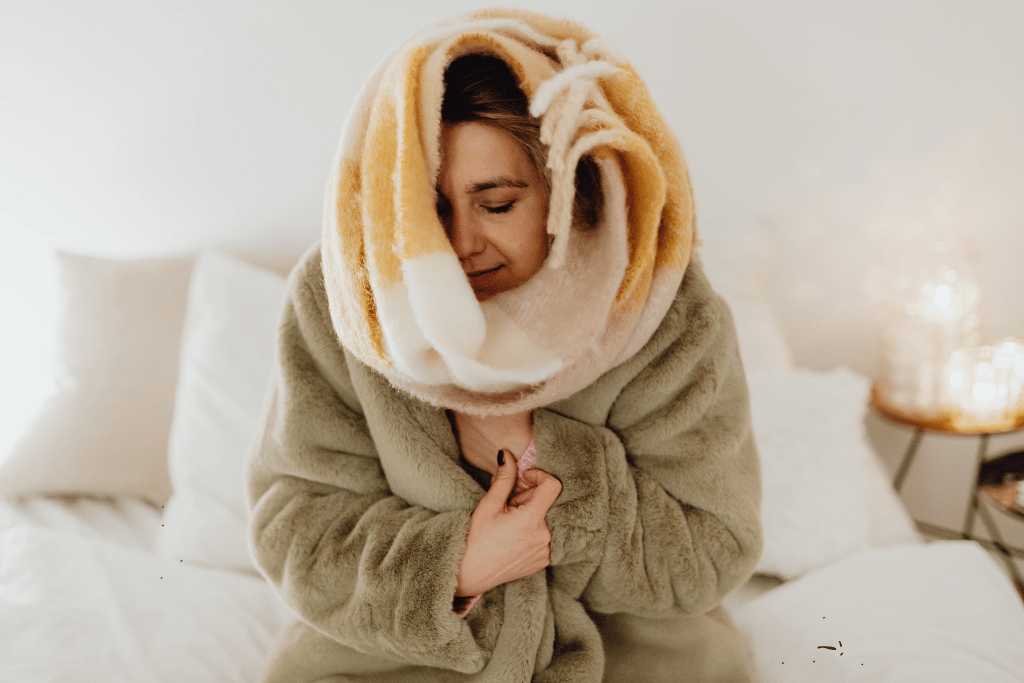
Walk out of a steamy hammam. Skin glowing. Muscles loose. Mind floating somewhere pleasant. Then, out of nowhere, a chill creeps in. Not just a light shiver either. Real, unexpected cold. If you have ever wondered why some clients feel cold after a hammam, you are not imagining things, and no, something is not wrong with you.
Let us talk about what is actually happening inside your body when that warmth disappears and why the contrast can feel so dramatic.
The Body’s Temperature Game You Never Notice Until It Shifts
Here is the thing. Your body is obsessed with balance. Temperature especially. During a hammam session, your internal thermostat is pushed upward on purpose. Heat opens blood vessels, speeds circulation, and sends blood rushing toward the skin to release excess warmth. It feels incredible.
Now comes the twist. Once you step out, your body does not gently glide back to normal. It snaps back. Fast. This snapback is what specialists call the thermoregulation rebound effect, and it is the core reason why some clients feel cold after a hammam.
The nervous system senses that sudden loss of external heat and reacts defensively. Blood vessels constrict. Heat gets pulled away from the skin and redirected to protect vital organs. Your skin, which just enjoyed a tropical climate, suddenly feels exposed and underheated. That contrast can feel shocking.
When Blood Flow Changes Direction
Inside the hammam, circulation is outward. Everything is moving to the surface. That is why skin turns pink and pores open. But the moment heat is removed, circulation reverses course.
Blood retreats inward. Skin temperature drops rapidly. The deeper tissues stay warm longer, creating a strange mismatch that your brain interprets as cold. This vascular shift is another major factor behind why some clients feel cold after a hammam.
A quick detail most people miss
The more relaxed you were in the hammam, the stronger this effect can feel. Deep relaxation lowers your metabolic heat production temporarily. So when circulation pulls inward, there is less internal heat being generated to compensate. Result? Goosebumps and teeth chatter, even in a warm changing room.
Sweat, Evaporation, And That Sneaky Cooling Effect
Let us talk sweat. Not the obvious part, but what happens after.
Sweat lingering on the skin continues to evaporate once you leave the steam room. Evaporation equals cooling. It is basic physics, but the body experiences it as sudden cold exposure. This is especially noticeable if you pause too long before drying off or if air circulation is strong.
This evaporation effect stacks on top of the rebound response, amplifying the sensation. That layering is yet another reason why some clients feel cold after a hammam can feel so intense and so unexpected.
Your Nervous System Is Doing Its Job a Little Too Well
The autonomic nervous system controls temperature without asking for your opinion. After heat exposure, it swings from parasympathetic mode, rest and relax, straight into sympathetic protection mode.
Muscles may tense slightly. Blood vessels tighten. You might even feel alert or shaky. This response is ancient. Designed to protect you from hypothermia. In a modern hammam setting, it can feel excessive.
This overcorrection is deeply tied to why some clients feel cold after a hammam, especially for first timers or anyone sensitive to temperature shifts.
Dehydration Makes Everything Louder
Heat sessions pull fluids out fast. Even mild dehydration reduces blood volume, which worsens circulation changes. Less fluid means less ability to distribute warmth evenly.
So when cooling begins, the body has fewer resources to buffer the shift. Cold sensations arrive faster and hit harder. Many people searching for answers to why some clients feel cold after a hammam are unknowingly dealing with dehydration layered onto the rebound effect.
A simple but overlooked fix
Water before and after matters more than people think. Not chugging. Steady sipping. Hydration smooths the temperature transition and softens the rebound.
Why Some People Feel It More Than Others
Not everyone experiences this post-hammam chill. Body composition, circulation health, stress levels, and even hormone balance play roles.
Lean individuals tend to lose heat faster. Those with lower blood pressure often notice stronger temperature drops. Chronic stress can also exaggerate nervous system reactions, making the rebound sharper.
All of this contributes to why some clients feel cold after a hammam being a very personal experience rather than a universal one.
How to Exit a Hammam Without Freezing
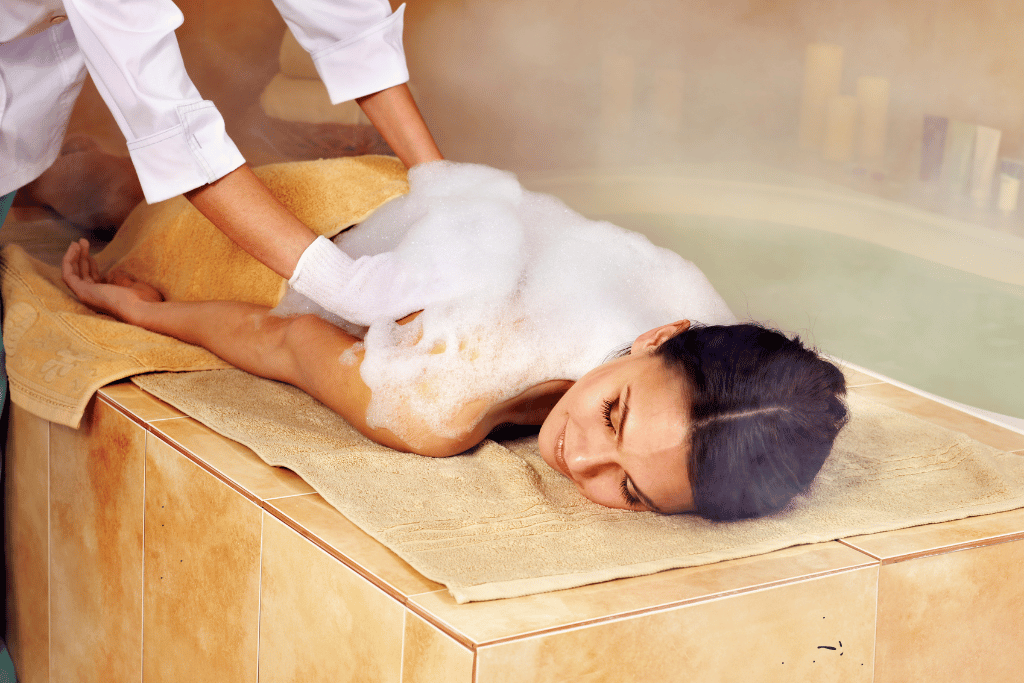
There is good news. This sensation is manageable.
Gradual cooling is key. Sit quietly after your session. Wrap up immediately. Avoid rushing into cold air. Dry your skin thoroughly to stop evaporation. Sip warm water or herbal tea. Let your body recalibrate at its own pace.
Think of it as closing a chapter slowly instead of slamming the book shut. Doing so dramatically reduces why some clients feel cold after a hammam becomes the lasting memory of your experience.
A Final Word From Us
At The Old Hammam in Edmonton London, we see this reaction often, and we guide our guests through it with care. Understanding your body makes the experience richer, safer, and far more enjoyable.
If you have ever wondered why some clients feel cold after a hammam, now you know it is not a flaw in the ritual. It is your body being beautifully protective.
Come experience authentic warmth, thoughtful transitions, and expert guidance with us. Book your session at The Old Hammam in Edmonton London and let us show you how a hammam should truly feel, from the first steam to the last moment of calm.