Ever noticed how some bath routines feel mechanical, almost like checking off a hygiene list, while others leave you thinking your body just had a conversation with water? That difference isn’t accidental. It’s the core of Cultural Cleansing vs Cosmetic Cleansing, a fascinating idea that stretches from anthropology to dermatology.
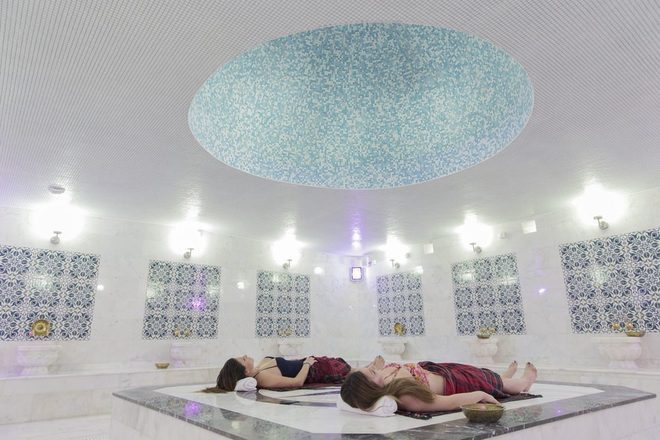
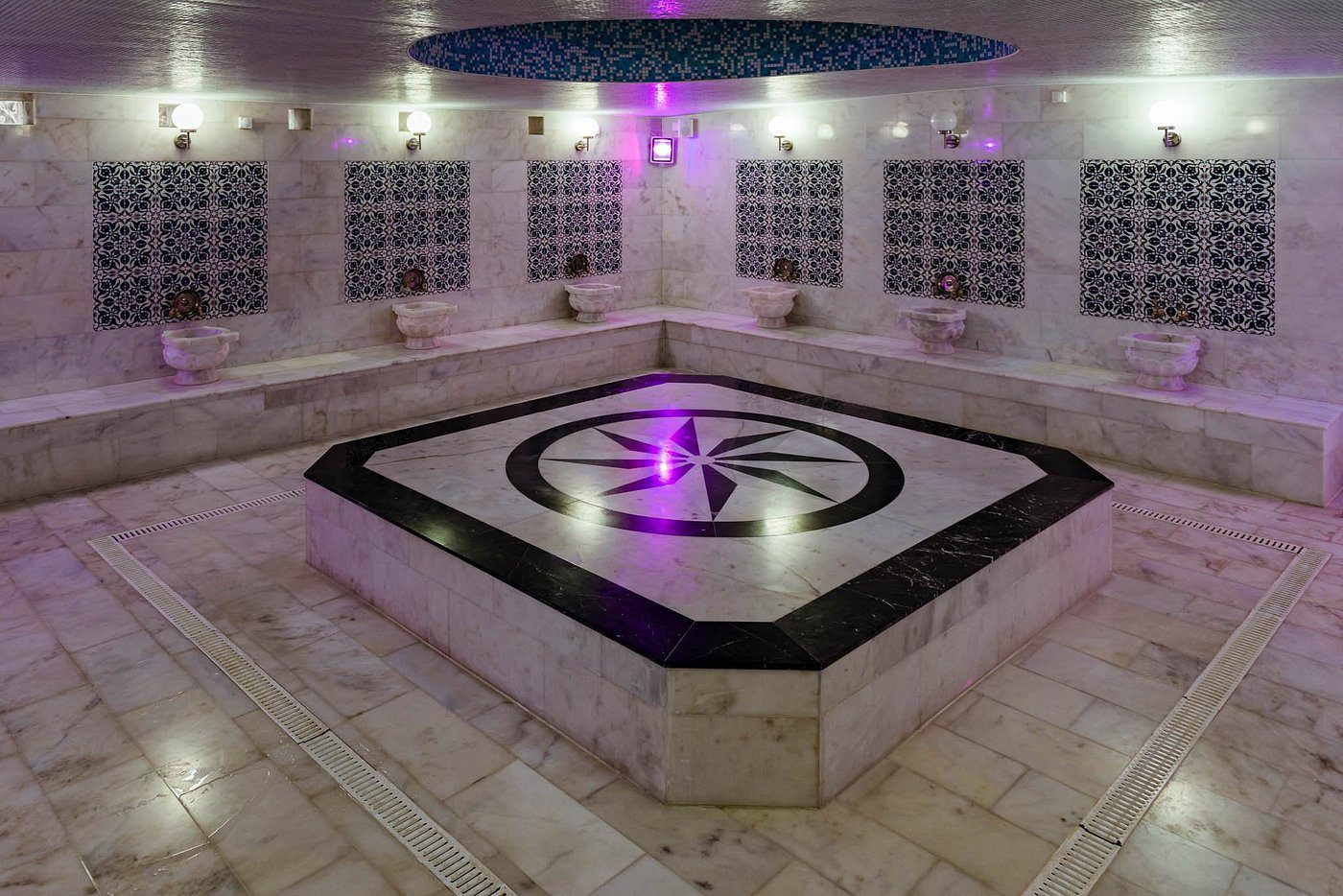
One focuses on ritual, connection, and holistic care, the other on quick fixes, surface-level results, and Instagram-ready selfies. Hammams, the legendary steam baths of the Middle East and North Africa, offer a perfect lens to understand why our skin deserves more than scrubs and serums.
Beyond Soap And Scrub: Skin as a Living Organ
Most skincare routines treat the skin like it’s a chalkboard, ready for erasing dirt and doodles. Dermatology reminds us, though, that skin is an organ.
One of our largest, in fact. It breathes, regulates temperature, protects us from pathogens, and communicates with the immune system.
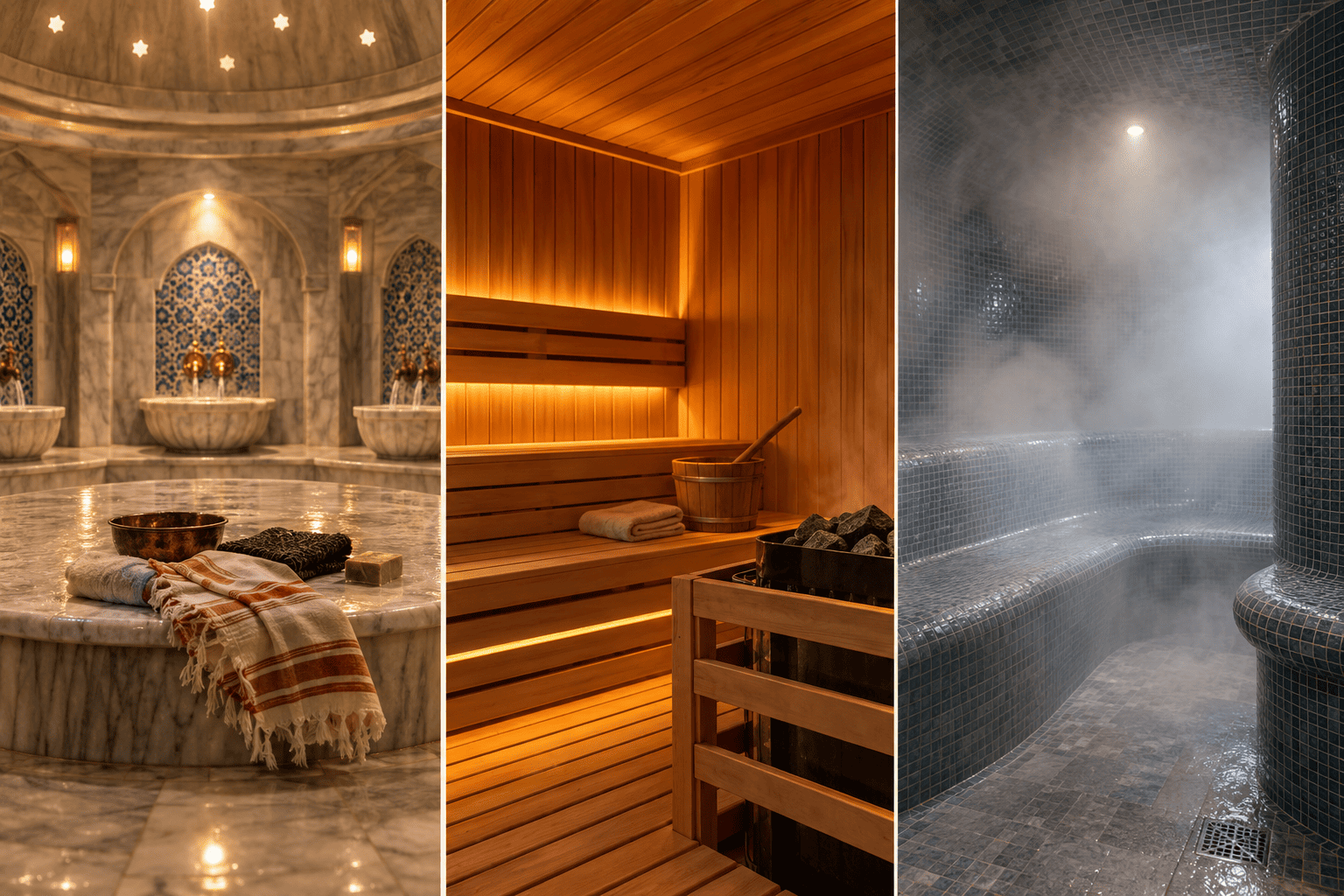
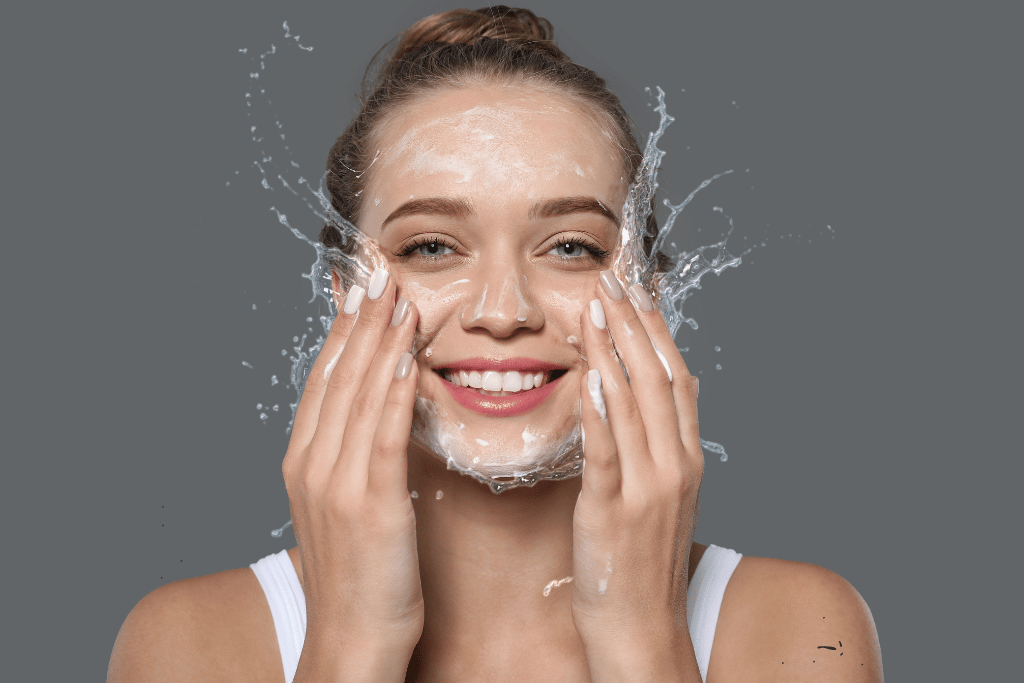
That’s where Cultural Cleansing vs Cosmetic Cleansing comes in. Cosmetic cleansing often focuses on instant gratification: removing visible grime, exfoliating for glow, applying the newest anti-aging elixir. Cultural cleansing takes a more systemic approach. Hammams use heat, steam, exfoliation, and massage not just to clean but to stimulate circulation, support lymphatic flow, and encourage detoxification.
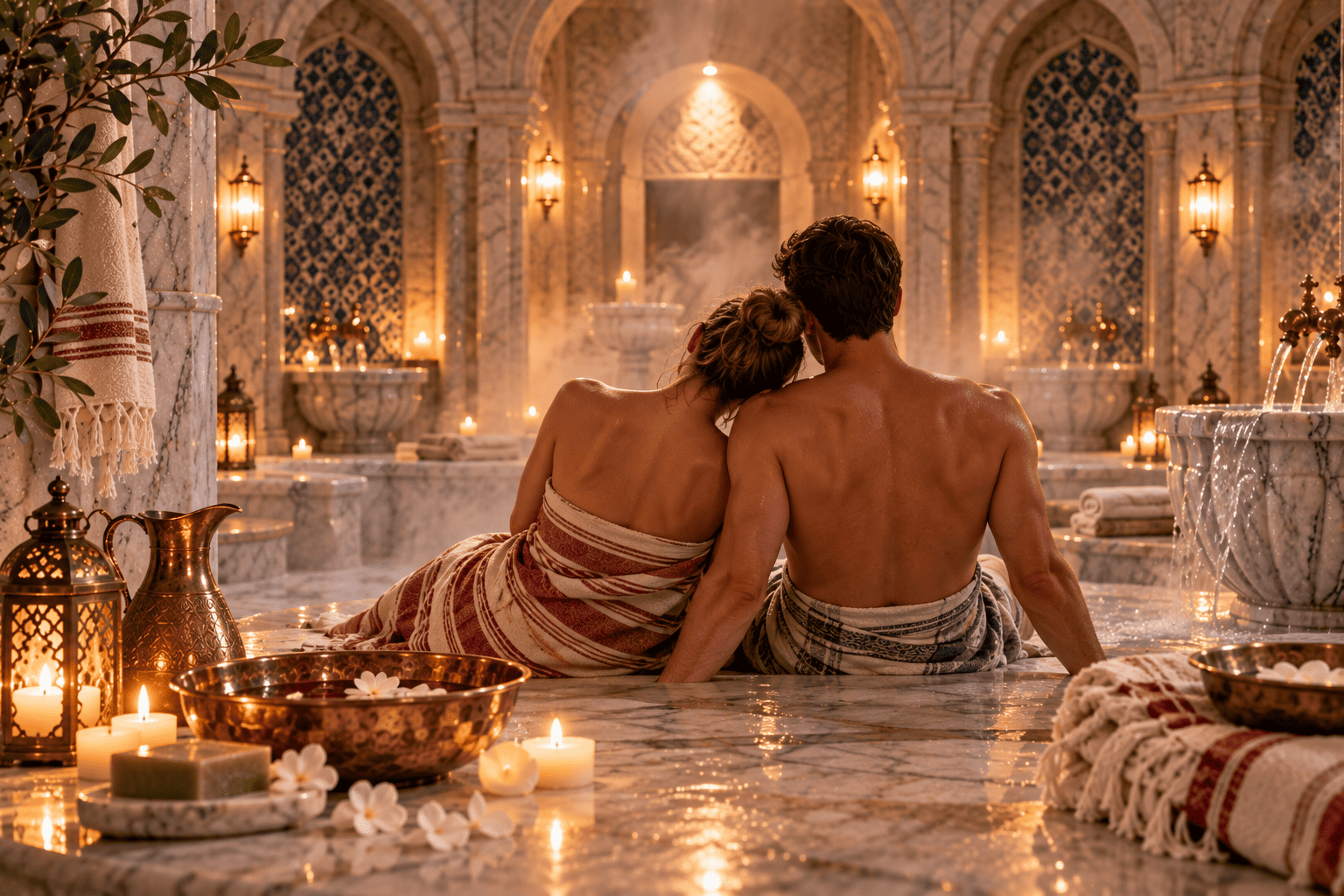
From an anthropological standpoint, this approach is deeply embedded in communal rituals. A hammam is rarely a solitary affair. People gather, socialize, and pass down centuries-old bathing practices. Cleansing here is as much about the social body as the physical one, creating a shared understanding of health, beauty, and wellness.
Heat, Steam, And the Language of the Body
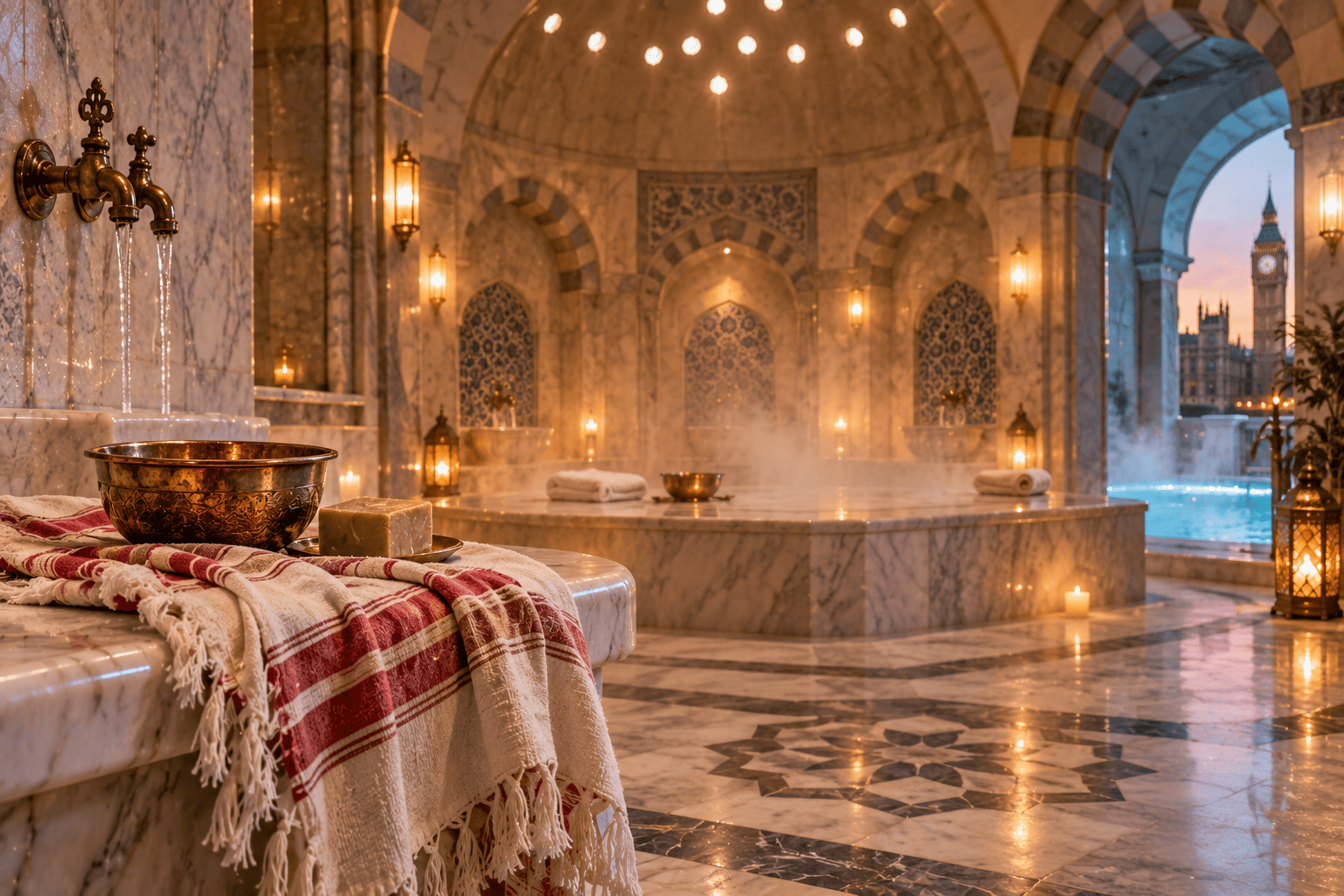
Stepping into a hammam is like entering another dimension where skin talks back. Steam opens pores, encourages sweating, and softens the skin, making it responsive. Dermatologists will tell you that controlled heat exposure can increase microcirculation, enhance barrier function, and even help with mild inflammatory conditions.
Anthropology adds context: in cultures where hammams thrive, steam is not just functional. It is symbolic. It represents purification, renewal, and a kind of social leveling. Everyone, from elders to newcomers, participates in the same ritual, signaling equality and shared care.
Cosmetic routines rarely tap into this multi-layered effect. You might scrub, splash, rinse, and move on, but the skin’s deeper physiology is largely ignored. Cultural cleansing acknowledges that the skin is an interface between internal and external worlds. Heat, water, touch, and time all matter.
Exfoliation as Ceremony
Scrubbing in a hammam isn’t haphazard. The kese glove, used for centuries, removes dead skin cells while stimulating circulation. In dermatological terms, exfoliation promotes cellular turnover, unclogs pores, and prepares the skin to better absorb moisturizers or oils. But there’s more than science here.
Anthropologists note that the act of being exfoliated by another person has social significance. It fosters trust, intimacy, and communal well-being. The ritual itself becomes a form of mental and emotional cleansing, a layer often missing from cosmetic routines that are purely solitary and goal-driven.
Breaking it down further, the repetition, the rhythm, the tactile sensation—it’s all part of a sensory language that communicates care, patience, and intentionality. Your skin isn’t just a surface being polished; it’s an organ being acknowledged.
Oils, Hydration, And the Long Game
After steam and scrub, oils are applied. Not just for scent or shine. Dermatology shows that oils help reinforce the skin barrier, lock in moisture, and provide essential fatty acids. Anthropology shows that each culture has its preferred oils: rose, argan, olive, or sesame. These choices aren’t random; they’re part of local ecological knowledge, linking community health to the environment.
Compare this to cosmetic cleansing, where a lotion or serum might be applied quickly, selected for its trending ingredient rather than its compatibility with the skin’s natural ecosystem. Cultural cleansing looks at the long game. It’s about sustainable skin health, supporting the organ over weeks, months, and years rather than chasing immediate visual results.
Mind-Body Connection
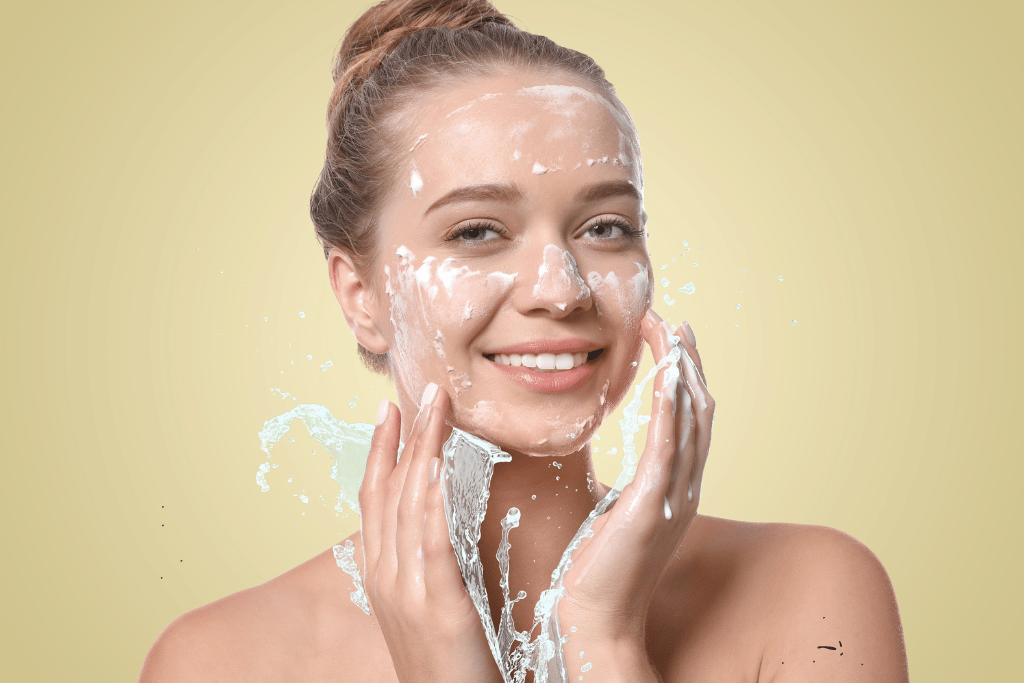
There’s a fascinating crossover between anthropology and dermatology here: the mind-body connection. Ritual bathing triggers relaxation, reduces stress hormones, and can even impact skin conditions like eczema or psoriasis.
The sensory experience of a hammam – the heat, the steam, the exfoliation, the social interaction – creates a physiological response that cosmetic routines rarely replicate.
Cosmetic cleansing may improve appearance temporarily, but it doesn’t engage the neurological or emotional dimensions of cleansing. Cultural cleansing treats the skin and mind as a unit, acknowledging the intricate ways they influence each other.
Modern Lessons From Ancient Practices
Let’s be honest: few of us can spend hours in steam rooms daily. Yet, modern skincare can learn from this tradition. Incorporating slower, intentional rituals – warm baths, gentle exfoliation, mindful application of oils, acknowledges that the skin is an organ, not just a canvas.
The distinction between Cultural Cleansing vs Cosmetic Cleansing isn’t about rejecting modern science; it’s about integrating it with time-tested wisdom. Science tells us what works; anthropology reminds us why it matters, socially and culturally.
Experiencing the Difference
Walking out of a hammam, the difference is tangible. Skin feels lighter, more resilient, more receptive. Muscles relax. There’s a subtle glow that cosmetic products can mimic but rarely reproduce authentically. Experiencing cultural cleansing is experiential, tactile, and emotionally resonant. Cosmetic cleansing often stops at the visual level.
So next time you consider your bathing routine, ask yourself: are you treating your skin as an organ deserving care, or merely a surface demanding polish? The answer will change not just your skincare, but your understanding of health and self-care.
If you’re curious to experience this for yourself, visit us at The Old Hammam in Edmonton London. Rediscover cleansing that goes deeper than skin-deep, where tradition, science, and sensory pleasure converge. Step in, relax, and let your skin experience the difference for itself.