
Swelling that just won’t quit is frustrating in a way that’s hard to put into words. You rest, you elevate, you ice, and still your joints or muscles stay puffy and uncomfortable for weeks. So it’s no surprise that people start looking at older, more traditional methods for relief, and the steam bath keeps coming up. But does it actually work? And more importantly, can a steam bath help reduce long-term swelling, or is it just a pleasant distraction?
The answer is more nuanced than a simple yes or no. Let’s get into it.
What is Swelling And Why Does It Stick Around?
Swelling, in medical terms, is oedema. It happens when excess fluid gets trapped in your body’s tissues. It could be from an injury, surgery, a chronic condition like lymphoedema, or even just prolonged sitting. Short-term swelling after a sprained ankle is one thing. That goes down in days. Long-term swelling is different. It means the lymphatic system or circulatory system isn’t clearing the fluid efficiently, and that’s where things get complicated.
Heat, interestingly, has a very specific relationship with this process. And that’s where the steam room enters the picture.
How Heat And Steam Affect Circulation
When you sit in a steam room, your body temperature rises. Your blood vessels dilate in response, which is your body’s way of cooling itself down. This process, called vasodilation, increases blood flow near the surface of the skin and through deeper tissues. More blood flow means more oxygen delivery and, critically, better movement of waste products and excess fluid away from affected areas.
The lymphatic system also gets a nudge. Steam and heat stimulate lymphatic drainage, which is essentially the body’s cleanup crew. When lymph flow improves, fluids that have been sitting stagnant in swollen tissue start moving again. That’s the mechanism at work when people report that a steam bath helps reduce long-term swelling after consistent use.
It’s not magic. It’s physiology.
The Research Behind Steam And Chronic Oedema
Studies on heat therapy and swelling are genuinely promising. Research has shown that thermotherapy (which includes steam bathing) can reduce inflammation markers and improve microcirculation in people with chronic conditions. A study in the Journal of Physiology found that regular heat exposure improved vascular function, which directly supports the body’s ability to manage fluid balance.
For people dealing with post-surgical swelling or sports-related chronic inflammation, there’s clinical evidence suggesting that steam baths help reduce long-term swelling when combined with movement and proper hydration. It’s rarely a standalone cure, but as part of a broader recovery routine, the impact is real and measurable.
Conditions That Respond Well to Steam Therapy
Not all types of swelling respond the same way. Conditions where steam bathing has shown the most benefit include rheumatoid arthritis, chronic venous insufficiency, post-exercise muscle swelling, and mild lymphoedema. People with these conditions often describe noticeably less tightness and puffiness after regular steam sessions, which makes sense given the circulatory and lymphatic effects we’ve already covered.
That said, acute injuries are a different story. If you’ve just rolled your ankle or had surgery last week, heat is generally not your friend in the early stages. Ice is better for fresh inflammation. Steam becomes more relevant once you’re past that initial acute phase, usually after 72 hours or more, and dealing with the lingering, chronic kind of swelling.
Why Consistency Is the Real Key
One session won’t transform anything. This is something people get wrong constantly. A single steam bath is relaxing and may offer temporary relief, but the real benefits around long-term swelling come with regular, repeated use over weeks. The circulatory improvements build up. The lymphatic system gets more efficient. Inflammation pathways get less reactive.
Think of it like exercise. Going to the gym once doesn’t make you fitter. Going three or four times a week for a month starts to change things. The same logic applies here. Regular visits to a proper steam bath help reduce long-term swelling in ways that one-off treatments simply can’t.
What to Do Before And After Your Steam Session
Hydration is non-negotiable. You lose a lot of fluid through sweating in a steam room, and if you go in dehydrated, you’ll feel awful and potentially make swelling worse, not better. Drink water before, during if possible, and definitely after. Around half a litre before entering is a good baseline.
Gentle movement after your steam session also helps. Walking, light stretching, or even just elevating the affected limb encourages the lymphatic drainage process to continue once you leave. Compression garments can also lock in the benefits if your therapist or GP has recommended them for your condition.
One thing people overlook: contrast therapy. Alternating between steam heat and cool water (the hammam tradition, actually) is one of the most effective circulatory stimulants around. The rapid change in temperature forces blood vessels to contract and expand, which is like a workout for your vascular system. If you want a steam bath to help reduce long-term swelling as effectively as possible, the contrast method is worth trying.
Who Should Be Careful (or Avoid It Entirely)
Steam bathing isn’t for everyone. If you have heart disease, uncontrolled high blood pressure, or are pregnant, you need to speak to a doctor before using steam rooms regularly. High heat puts additional strain on the cardiovascular system, which can be risky in those cases.
People with diabetes also need to be careful because impaired circulation and nerve sensitivity mean heat can cause damage that you don’t immediately feel. And if your swelling is caused by deep vein thrombosis or a serious infection, steam is absolutely not the right approach. Medical treatment comes first, always.
For most healthy adults dealing with chronic, non-emergency swelling though? A well-run steam room, used regularly and sensibly, can genuinely make a difference.
The Traditional Hammam Approach to Swelling and Recovery
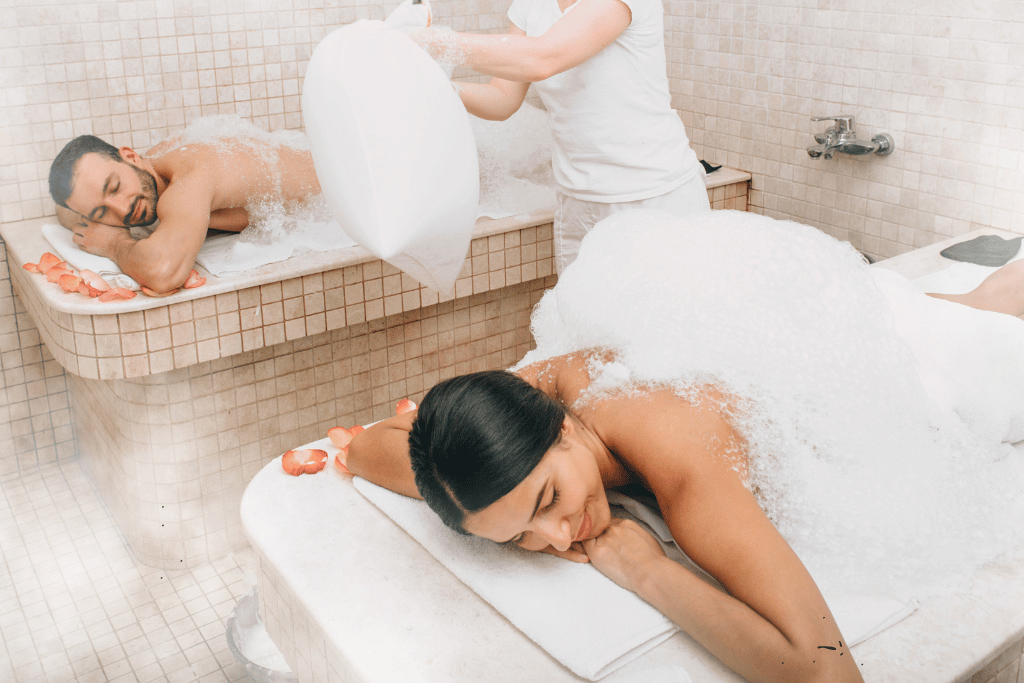
There’s something worth noting about traditional hammam culture that modern wellness spaces sometimes miss. The hammam wasn’t just about sweating. It was a full ritual: progressive heat exposure, exfoliation, massage, cool rinses, rest. Each element serves a purpose.
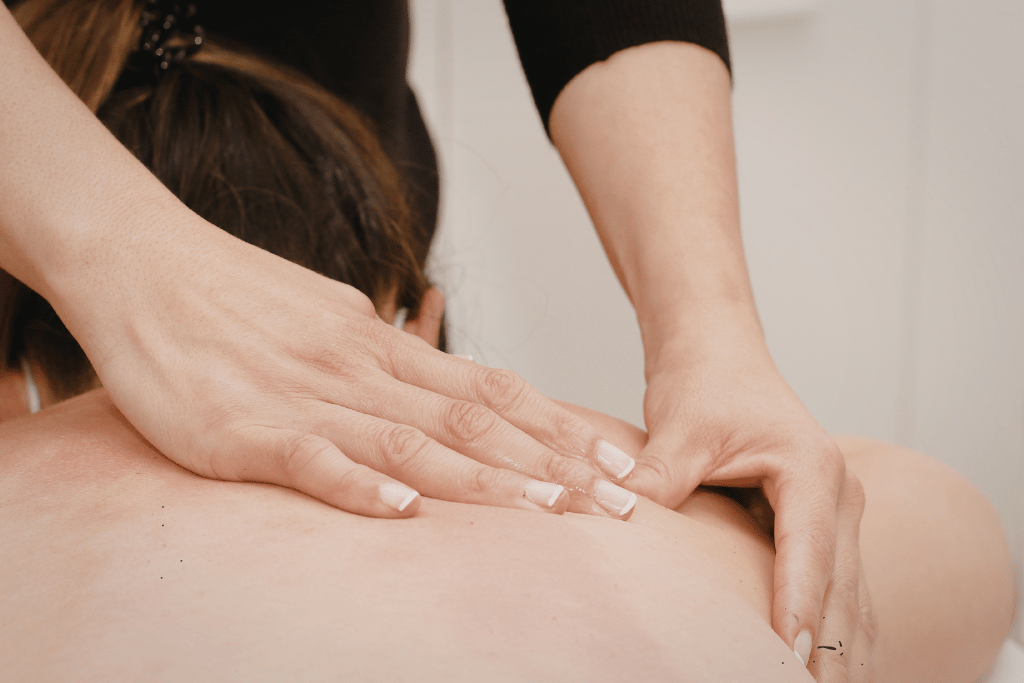
The massage component (often called kese in Turkish tradition) is particularly relevant to swelling. Manual lymphatic massage performed after heat, when the tissues are warm and pliable, is dramatically more effective than massage on cold, tight muscles. The steam opens everything up, and the massage then moves the fluid. It’s why hammam regulars across centuries have reported clearer skin, lighter legs, and less joint stiffness. They didn’t have the science, but the practice was right.
This traditional, whole-body approach is still one of the best ways to ensure steam bath help reduce long-term swelling as part of a sustainable self-care routine.
Experience It at The Old Hammam in Edmonton, London
If you’re in London and want to experience proper steam therapy done right, The Old Hammam in Edmonton is the real deal. It’s not a spa with a token steam room tucked in the corner. It’s an authentic hammam space built around the tradition that made steam bathing legendary for recovery, circulation, and wellbeing.
The Old Hammam offers the full experience: proper steam, contrast therapy, expert kese massage, and a genuine understanding of how heat and water work on the body. Whether you’re dealing with post-exercise swelling, chronic joint puffiness, or just want to see what consistent steam therapy can do for you over time, this is the place to start.
Book your session at The Old Hammam today and find out first-hand why steam bath help reduce long-term swelling has been trusted for generations. Your body will feel the difference.
Visit us at The Old Hammam, Edmonton, London. Book now and take the first step toward lasting relief.