You’ve just stepped out of a hammam, skin glowing, pores feeling like they’ve had a proper conversation with steam and heat. Everything feels softer, looser, more alive. Now here’s the thing most people miss: you’ve got a golden window of opportunity sitting right in front of you. Those first seven minutes after leaving the warmth? They’re absolutely critical for your skincare routine, particularly if you’re planning to use oils.
Sounds specific, doesn’t it? Seven minutes. Not five, not ten. There’s actual science backing this up, and once you understand why your skin absorbs oils better within 7 minutes after a hammam session, you’ll never look at post-hammam rituals the same way again.
The Steam Effect on Your Epidermis
Steam does something remarkable to your skin that regular washing simply can’t replicate. Picture your epidermis as a tightly woven fabric. Under normal conditions, it’s doing its job: keeping things out, keeping moisture in, acting as your body’s first line of defense. The hammam changes this temporarily.
When you expose skin to sustained heat and humidity, the stratum corneum (that’s your outermost skin layer) starts to swell. Water content in these dead skin cells can increase by up to 400%. Your skin literally plumps up. This swelling creates temporary pathways between cells, loosening the tight junctions that normally keep everything locked down.
Normally, your skin cells are packed together like a brand new deck of cards, perfectly aligned and nearly impossible to penetrate. After steam exposure, they’re more like a deck that’s been played with, slightly separated, with tiny gaps appearing between each card. These microscopic channels are exactly why your skin absorbs oils better within 7 minutes after a hammam session.
The Temperature Factor
Heat also increases blood flow to your skin’s surface. You’ve noticed this, the flush, the redness, that feeling of warmth radiating from your face and body. Enhanced circulation doesn’t just make you look healthy. It actually primes your skin for absorption by increasing metabolic activity in skin cells. Warmer skin means more active skin, and active skin processes topical applications far more efficiently than cold, sluggish skin.
Barrier Science Meets the Clock
Let’s get technical for a moment because understanding the science helps you maximize results. Your skin barrier operates on a principle called transepidermal water loss, or TEWL for short. Normally, your skin loses about 300-400ml of water daily through evaporation. After a hammam session, this rate spikes dramatically.
Studies in dermatological research have measured TEWL rates immediately post-bathing, finding they can increase by 75-100% in the first few minutes. Your skin is literally hemorrhaging moisture. Sounds bad, right? Actually, this is where timing becomes your superpower.
The Absorption Window Mechanism
During those first seven minutes, your stratum corneum remains in what researchers call a “hyperhydrated state.” The intercellular lipid matrix, normally organized in tight lamellar structures, becomes disrupted. These lipid bilayers are essentially the mortar between your skin cell bricks, and steam has temporarily made that mortar more permeable.
When you apply oils to hyperhydrated skin, they don’t just sit on the surface. The oils can actually penetrate between those loosened cells, slipping through gaps that won’t exist twenty minutes later. Lipophilic compounds in quality facial and body oils have molecular weights that allow them to traverse this temporarily compromised barrier.
The seven-minute window exists because this is roughly how long it takes for your stratum corneum to begin returning to its baseline organization. After about ten minutes, intercellular cohesion starts rebuilding. By fifteen minutes, you’ve lost most of that enhanced permeability. Why your skin absorbs oils better within 7 minutes after a hammam session comes down to this brief period of structural disruption before normal barrier function resumes.
Hydration Gradients and Lipid Penetration
There’s another piece to this puzzle. When skin is fully hydrated, it creates what scientists call a hydration gradient. Water-swollen cells at the surface pull moisture from deeper layers, creating a concentration gradient that flows outward. Applying oil during this phase does something clever: it creates an occlusive seal that traps that moisture while simultaneously delivering its own beneficial compounds inward.
Oil molecules, being hydrophobic, actually prefer the lipid-rich environment of your skin barrier. When that barrier is swollen and disorganized, oils can integrate themselves into the intercellular matrix more effectively than they ever could on dry, tightly packed skin.
What Happens If You Wait Too Long
Patience might be a virtue, but not in this scenario. Wait fifteen minutes, and you’re working against biology. Your skin has already started its recovery process. That efficient barrier you temporarily loosened? It’s rebuilding, tightening, returning to its protective state.
Applying oils to fully recovered skin means they’ll largely sit on the surface, maybe penetrating the very first layer or two of dead cells, but not reaching the viable epidermis where they can actually interact with living cells. You’ll get surface softness, sure, but you’re missing out on deeper nourishment.
People often make the mistake of getting dressed first, tidying up, checking their phone, and then remembering their skincare routine. By then, the magic window has slammed shut. Why your skin absorbs oils better within 7 minutes after a hammam session isn’t just about absorption rates. It’s about getting active ingredients where they can actually make a difference.
Choosing the Right Oils For Post-Hammam Application
Not all oils are created equal, especially when you’re working with this precious seven-minute window. Lighter oils with smaller molecular structures penetrate more effectively. Jojoba oil, for instance, closely mimics your skin’s natural sebum, making it particularly good at slipping through those temporary gaps.
Rosehip oil brings vitamin A compounds that can actually reach living skin cells when applied during peak absorption time. Argan oil delivers vitamin E and essential fatty acids deep into tissues rather than just coating the surface. Heavier oils like coconut or castor oil might feel luxurious, but they’re not optimized for this particular application window.
Application Technique Matters
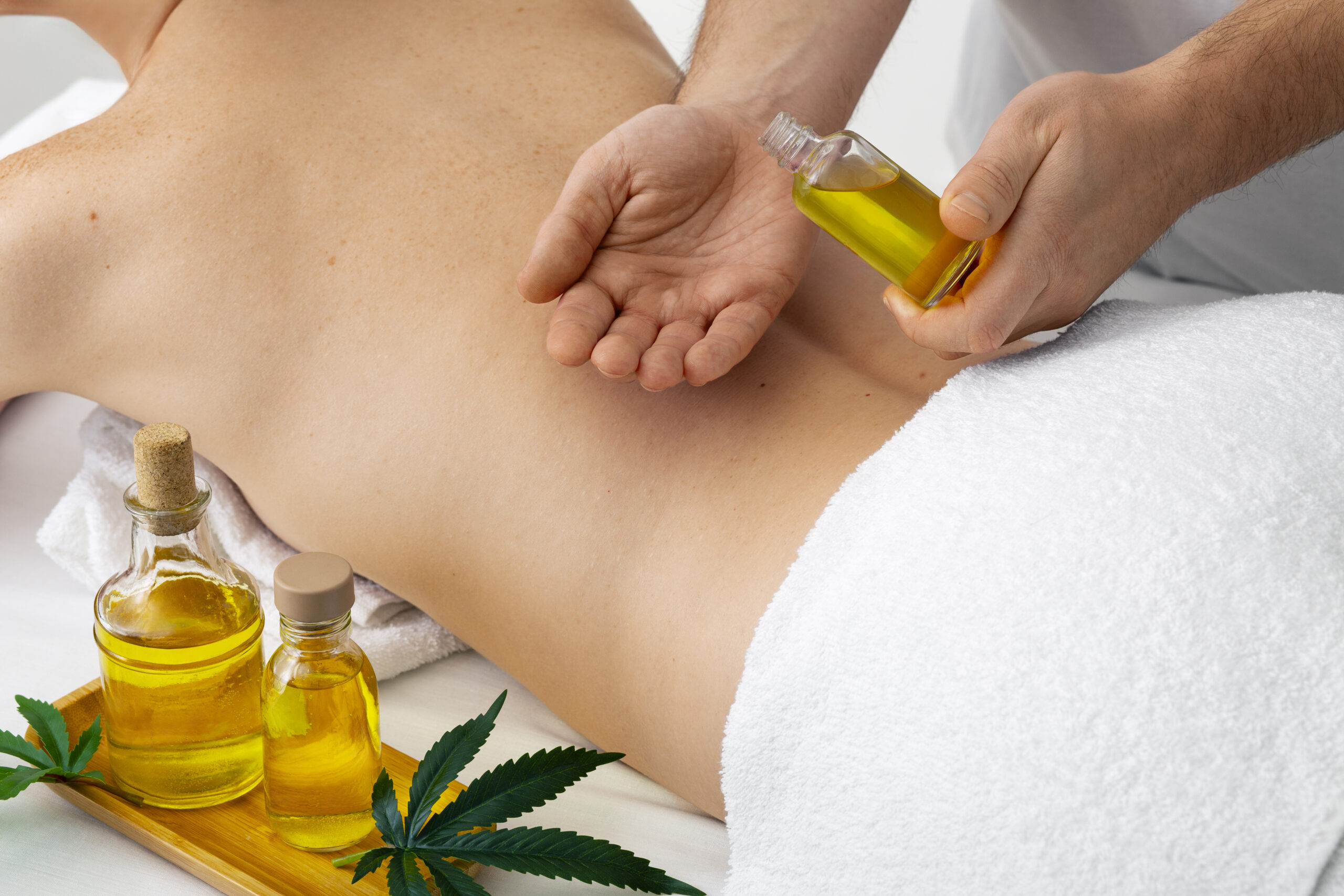
Here’s what works: keep your oil within arm’s reach of where you’ll exit the hammam. The moment you’re done, while skin is still slightly damp (not soaking wet, but definitely not towel-dried to completion), apply your oil generously. Use upward, circular motions that encourage absorption while promoting lymphatic drainage.
Don’t be stingy. Skin in this state can handle and will use more product than usual. This is not the time for a few dainty drops. You want enough oil that you’re actively massaging it in for at least two to three minutes, giving those molecules time to work their way into those temporarily permeable pathways.
The Hammam Advantage Over Regular Bathing
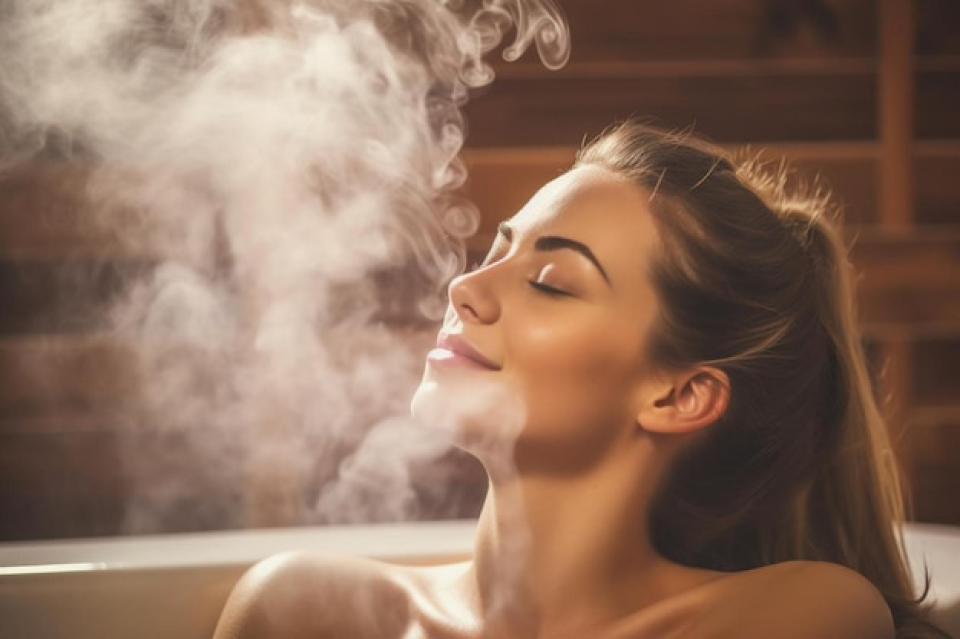
You might wonder: does this work after any hot shower or bath? Partially, yes. But hammams offer something unique. The sustained, enveloping heat combined with high humidity creates more thorough and even hydration across your entire body surface.
A shower hits parts of you with hot water while leaving others relatively untouched. A bath only hydrates submerged areas. The hammam surrounds you, creating uniform conditions across every inch of skin. This is why traditional hammam rituals always included oil application. People didn’t understand the cellular mechanisms, but they absolutely recognized the results.
Why your skin absorbs oils better within 7 minutes after a hammam session has been practical knowledge in bathing cultures for centuries. Modern dermatology just gave us the vocabulary to explain what generations already knew worked.
Why This Matters For Your Skin Long-Term
Consistent application during peak absorption times means you’re delivering more active ingredients with less product. Over weeks and months, this compounds. Skin that regularly receives deep nourishment looks different: more resilient, more even-toned, better able to repair itself.
You’re also training your skin, in a sense. Regular oil application during optimal windows helps maintain a healthier lipid barrier overall. Your skin learns to hold moisture better, becomes less reactive, develops that kind of glow that doesn’t come from makeup or filters.
Understanding why your skin absorbs oils better within 7 minutes after a hammam session transforms a simple spa treatment into a strategic skincare intervention. You’re working with your biology, not against it.
Experience It at The Old Hammam
Ready to put this knowledge into practice? The Old Hammam & Spa in Edmonton, London offers authentic hammam experiences designed around traditional bathing wisdom enhanced with modern understanding. Our facilities create the perfect environment for that crucial seven-minute window, and our staff can guide you through optimal post-steam skincare application.
Why your skin absorbs oils better within 7 minutes after a hammam session isn’t just theory here. It’s something we see every day with clients who follow proper post-hammam protocols. Their skin tells the story better than any article could.
Book your session with us and discover what happens when ancient bathing traditions meet contemporary skincare science. Your skin has been waiting for this level of care. Those seven minutes could change everything about how you approach nourishment and absorption.
Visit The Old Hammam & Spa in Edmonton, London, and let us show you the difference timing makes.