Walk into any dermatologist’s office today, and they’ll likely pitch you on glycolic acid, salicylic peels, or some alphabet soup of AHAs and BHAs. The beauty industry has conditioned us to believe that science always trumps tradition, that laboratories produce better results than ancient bathhouses. But what if that’s not the whole story?
What if the 2,000-year-old practice of exfoliation in hammams actually offers something chemical formulations can’t replicate, especially for skin that rebels against modern acids?
The debate isn’t about which method is categorically superior. It’s about understanding why certain skin types respond better to physical manipulation than chemical dissolution, and why we’ve been so quick to dismiss practices that predate our current skincare paradigm.
The Fundamental Difference Between Stripping And Polishing
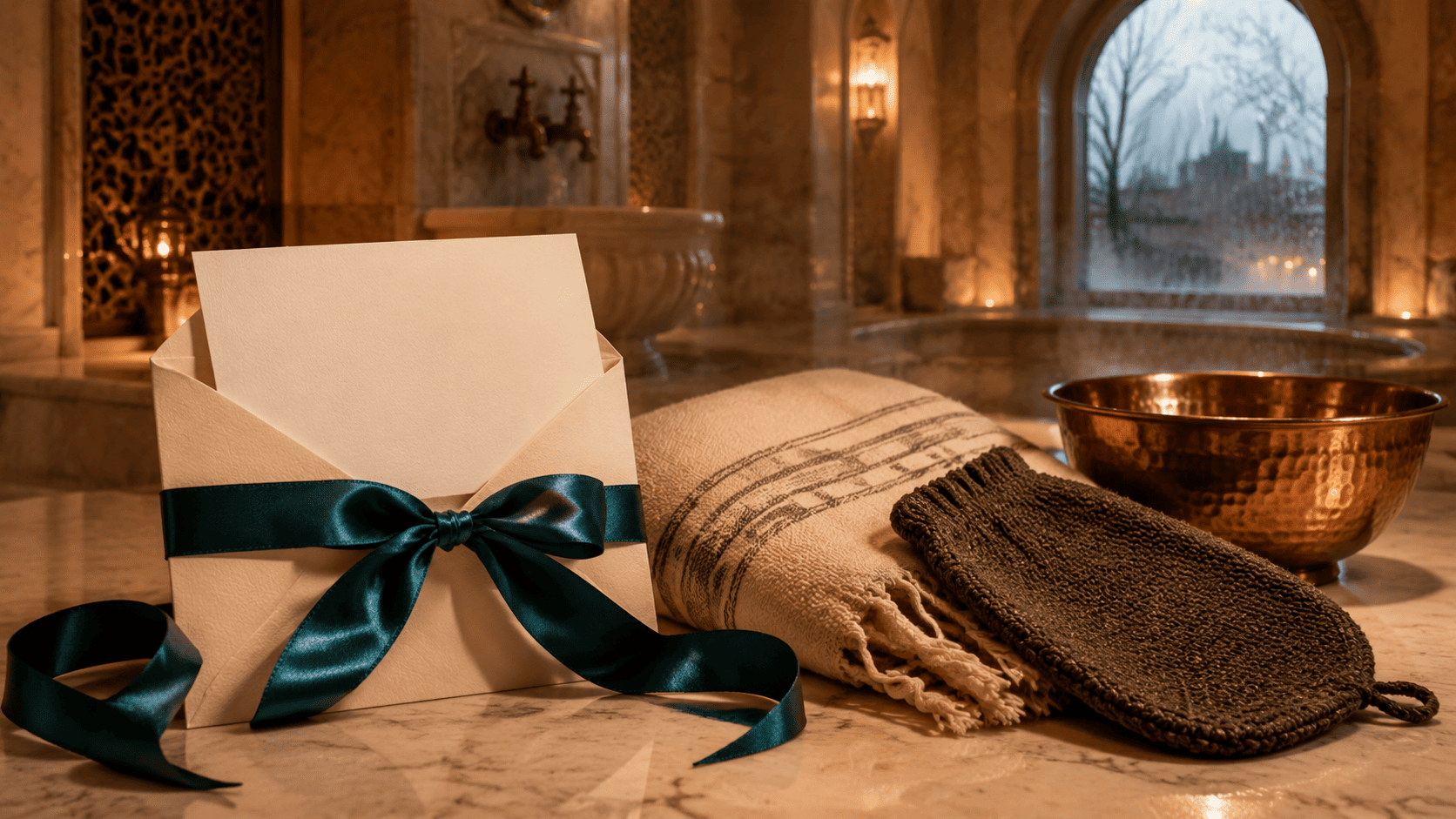
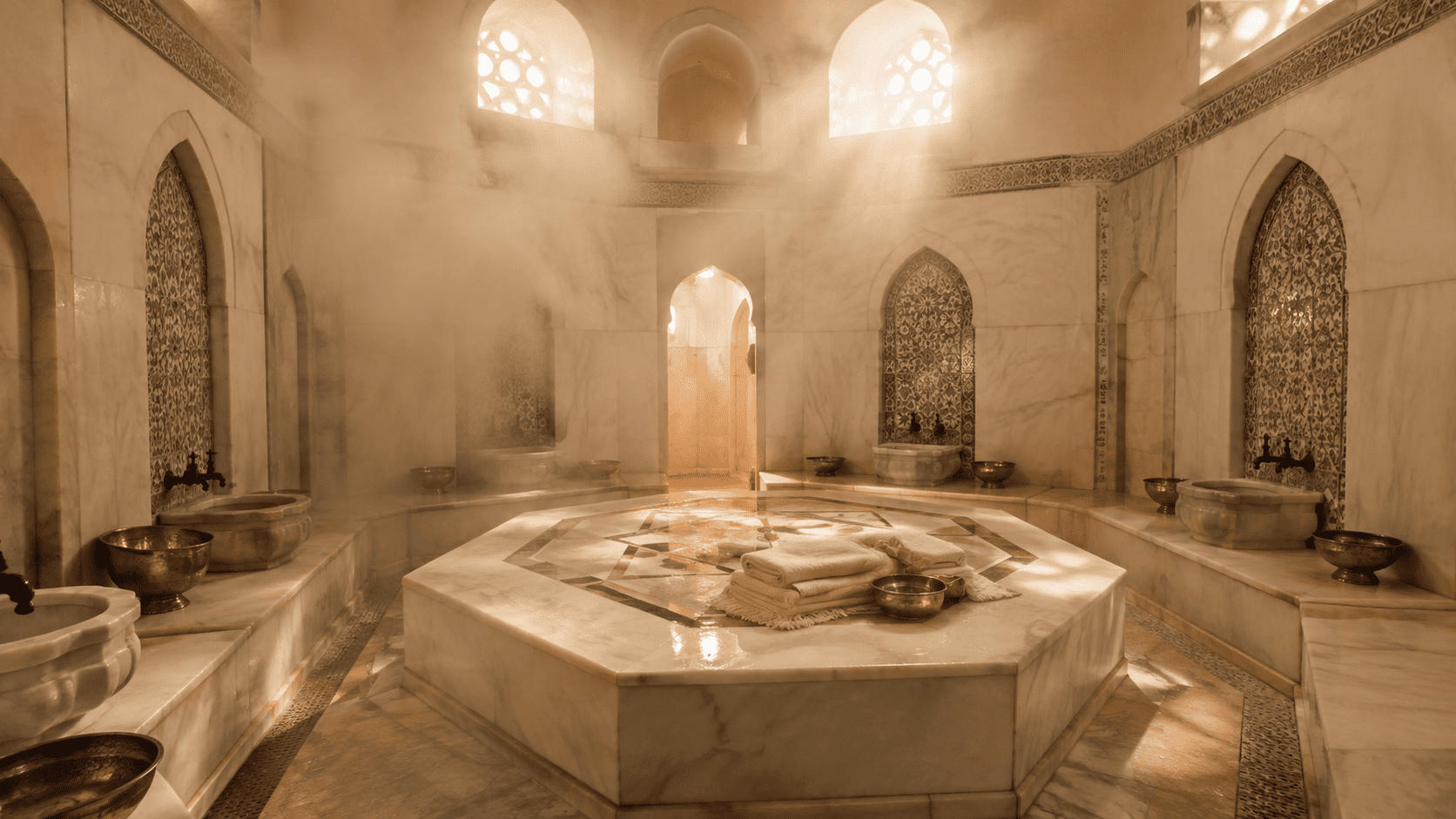
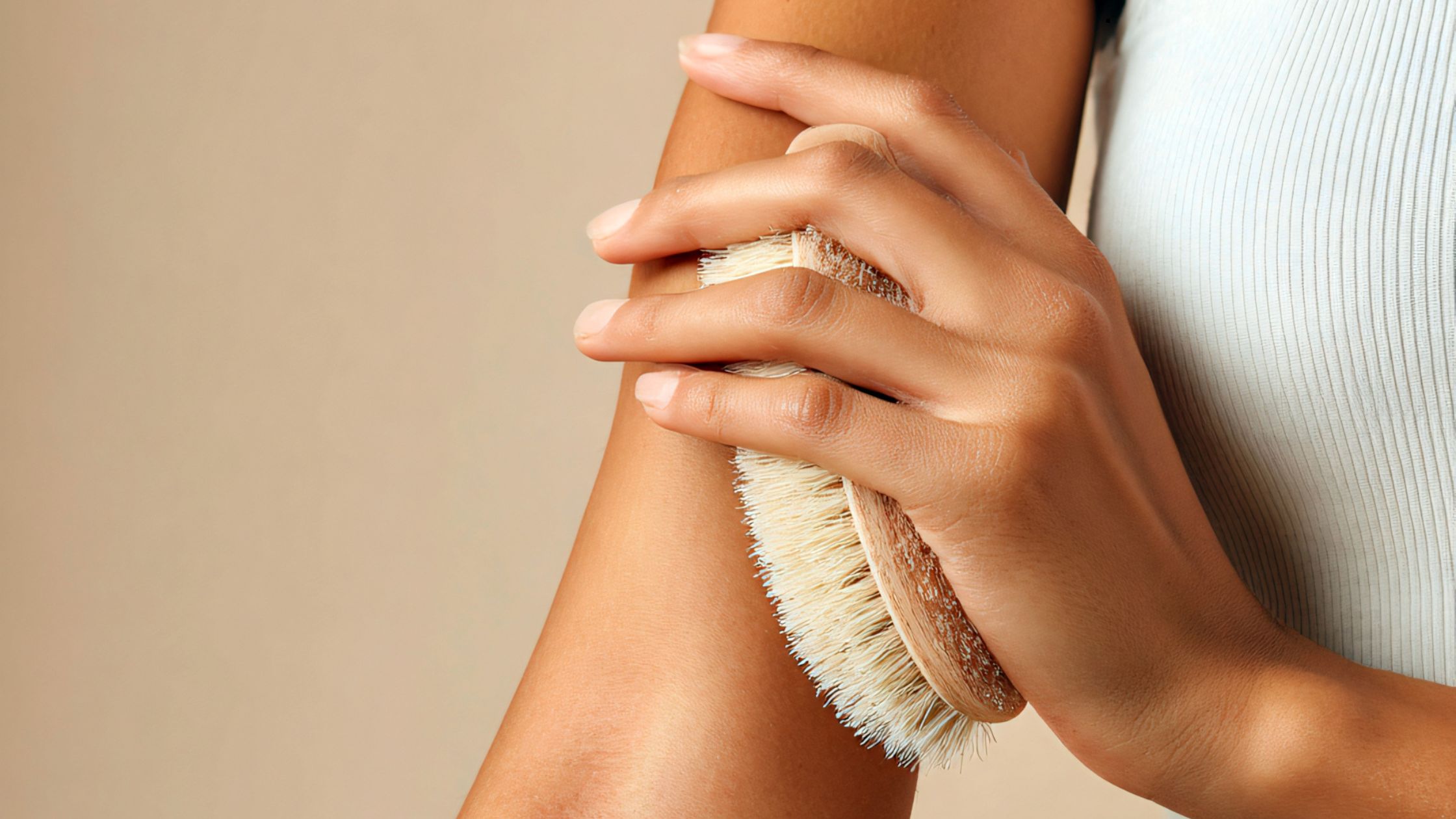
Chemical peels work by breaking down the bonds between dead skin cells through acid-based dissolution. You’re essentially controlled-burning the top layers of your skin, forcing cellular turnover through irritation. Exfoliation in hammams, by contrast, uses physical techniques…typically the kessa glove combined with Moroccan black soap, to manually remove dead cells without penetrating beyond the stratum corneum.
This distinction matters more than most aestheticians acknowledge. When you apply acids to skin, you’re triggering an inflammatory response. For many people, that’s fine. Their skin tolerates the disruption, heals quickly, and emerges smoother. But for those with compromised barriers, rosacea, eczema, or melanin-rich skin prone to post-inflammatory hyperpigmentation, that inflammation becomes a liability rather than a feature.
Traditional hammam treatments don’t rely on your skin’s wound-healing response to generate results. The manual exfoliation technique works with your body’s natural shedding process rather than accelerating it artificially. You’re helping along what’s already happening, not forcing a biological reaction.
Who Actually Benefits From Mechanical Over Chemical?
Sensitive and Reactive Skin Types
People with sensitive skin understand the gamble of chemical exfoliation. One treatment might leave you glowing; the next could trigger a week-long inflammatory episode. The unpredictability stems from how acids interact with compromised skin barriers. When your protective layer is already struggling, introducing active ingredients that deliberately disrupt it rarely ends well.
Exfoliation in hammams provides a more predictable outcome for reactive skin. The therapist can adjust pressure, technique, and duration based on real-time feedback from your skin. You’re not locked into a predetermined acid percentage that can’t be modulated once applied.
Darker Skin Tones and Hyperpigmentation Concerns
Anyone with higher Fitzpatrick scale numbers knows the terror of post-inflammatory hyperpigmentation. Chemical peels carry significant risk for melanin-rich skin—one wrong move and you’re dealing with dark spots that take months to fade. The acids can trigger melanocyte overproduction in ways that physical exfoliation simply doesn’t.
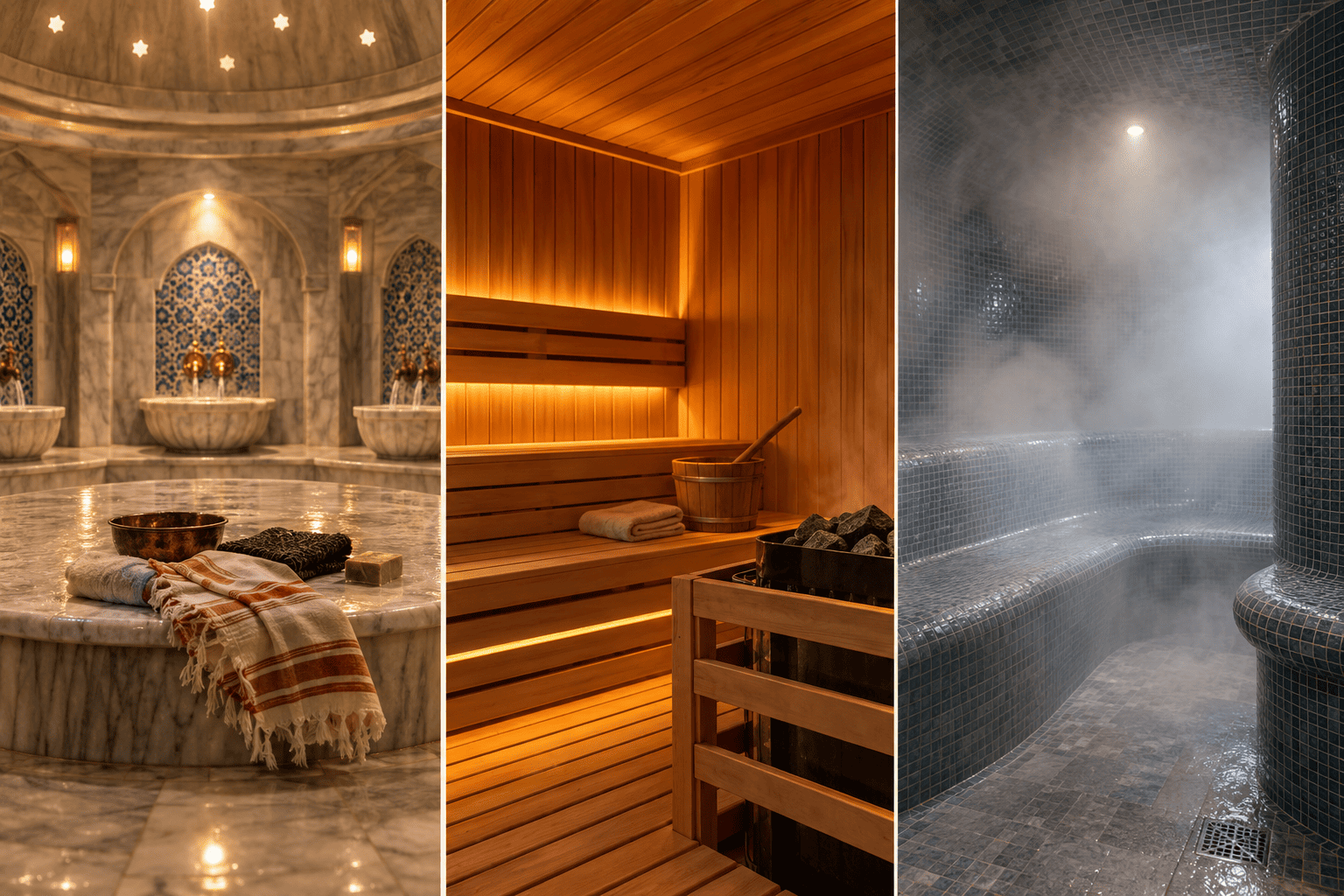
Steam room exfoliation combined with manual techniques allows for gentler, more controlled removal of dead cells without the inflammatory cascade that triggers excess melanin production. You’re getting smoother skin without playing Russian roulette with your pigmentation.
Combination Skin That Confuses Chemical Treatments
When your T-zone needs aggressive treatment but your cheeks are dry and flaky, uniform chemical application becomes problematic. You can’t really spot-treat with peels the way marketing suggests, the acid doesn’t respect the boundaries between oily and dry zones.
During exfoliation in hammams, the therapist can vary technique across different facial and body regions. More vigorous scrubbing on thicker-skinned areas like the back, gentler work on delicate zones. This customization happens in real-time, not through pre-mixed formulations.
The Ritual Component
We’ve medicalized skincare to the point where we forget that stress, cortisol, and tension manifest physically on our skin. Chemical peels happen in clinical settings, often rushed between appointments. You’re in and out, sometimes with face tingling or actively burning.
Hammam body scrubs exist within a broader ritual designed to relax your nervous system. The sequence matters: steam opens pores, heat relaxes muscles, the scrubbing becomes almost meditative, and the rinse feels ceremonial. Your skin responds not just to the physical exfoliation but to the parasympathetic activation that happens when you spend 90 minutes in a warm, quiet space focused entirely on your body.

When Chemical Peels Make More Sense
This isn’t about demonizing acids. For acne-prone skin with deep congestion, salicylic acid treatments penetrate in ways that physical scrubbing can’t. For significant sun damage and advanced aging concerns, glycolic and TCA peels offer collagen stimulation that mechanical exfoliation doesn’t trigger.
The problem is presenting chemical peels as the default superior option for everyone, when they’re actually best suited for specific concerns. If your primary goal is clearing pores, managing active acne, or addressing photoaging, acids probably make sense. If you’re maintaining generally healthy skin, dealing with sensitivity, or managing pigmentation concerns, the traditional Turkish bath exfoliation approach might serve you better.
The Practical Reality of Maintenance
Chemical exfoliation requires downtime. Depending on peel strength, you’re potentially dealing with peeling, redness, and photosensitivity for days afterward. You need to plan around social commitments and avoid sun exposure during the healing phase.
Exfoliation in hammams typically leaves skin immediately soft and glowing without the recovery period. You can schedule a session and return to normal activities the same day. For people who can’t afford the downtime that chemical peels demand, this practical advantage matters as much as the biological one.
The cumulative effect is also different. Chemical peels often follow a protocol; three sessions spaced a few weeks apart, then maintenance every few months. Hammam treatments can be more frequent and flexible because they’re gentler on your skin’s structure.
What Your Skin Is Actually Telling You
Most people choosing between these methods focus on promised results rather than listening to how their skin currently behaves. If your skin frequently feels tight, stings with products, or develops random red patches, those are signs your barrier is already stressed. Adding chemical exfoliation to that scenario rarely improves the situation.
If your skin tolerates most products but just feels dull or rough-textured, and you’re not dealing with significant congestion or sun damage, the mechanical exfoliation benefits of hammam treatments might give you better results with less risk.
At The Old Hammam & Spa in Edmonton, London, we’ve watched countless clients discover that sometimes the oldest methods work better than the newest formulations, especially when your skin has been struggling with modern approaches. Our traditional hammam exfoliation services honour centuries of bathing culture while addressing contemporary skin concerns. Book a session and experience why mechanical exfoliation might be exactly what your skin has been asking for.