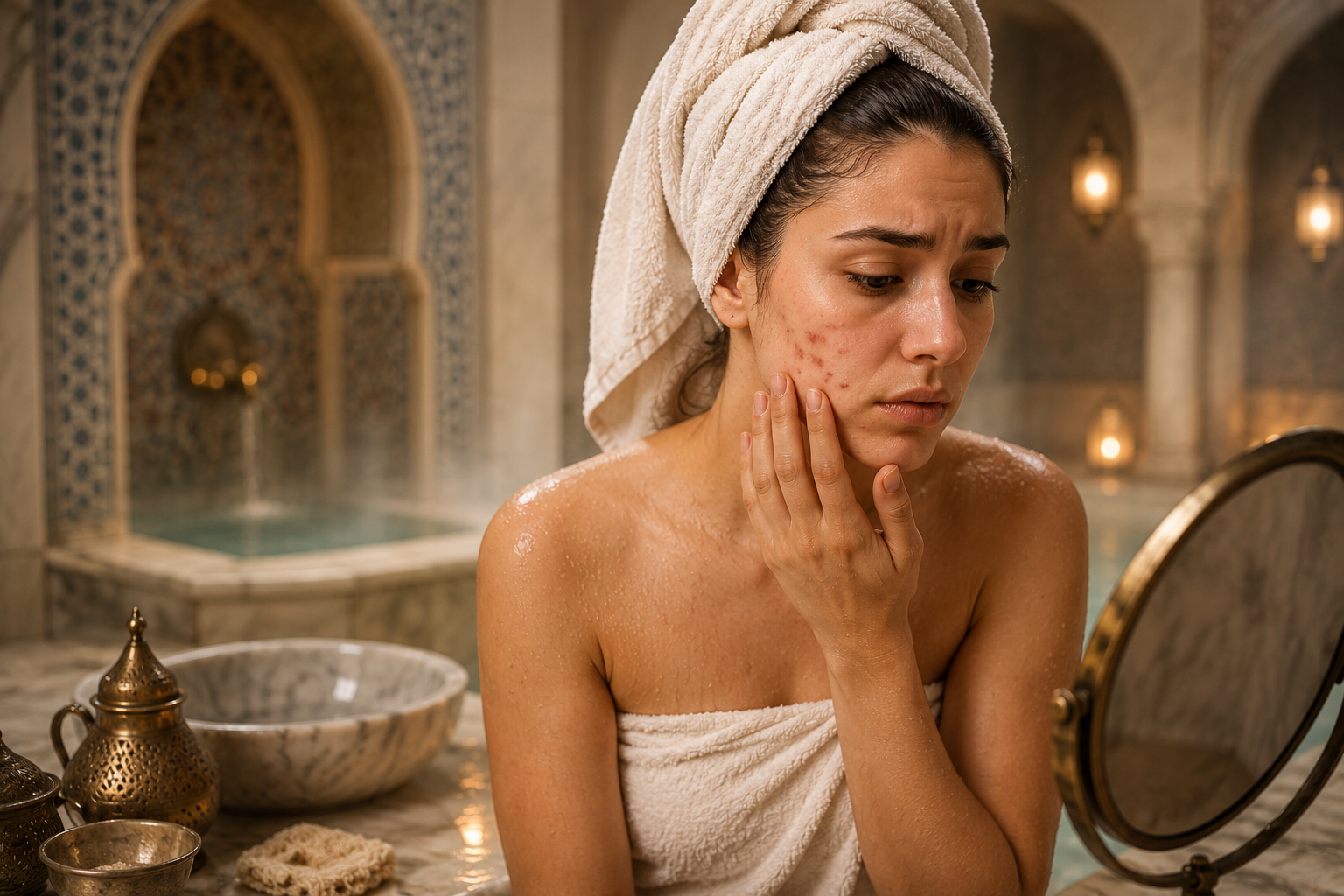
You leave the hammam feeling like a new person. Skin soft, muscles loose, that deep-clean sensation that no regular shower can replicate. And then, two days later, a cluster of spots shows up on your chin. Or your forehead. Or across your chest. Sound familiar?
Breakouts after a hammam session are more common than most people realize, and they’re not always a sign something went wrong. Sometimes they’re actually a sign your skin is doing exactly what it’s supposed to do. But sometimes, they’re a red flag worth paying attention to. Here’s the full picture.
Your Pores Just Got Blown Wide Open
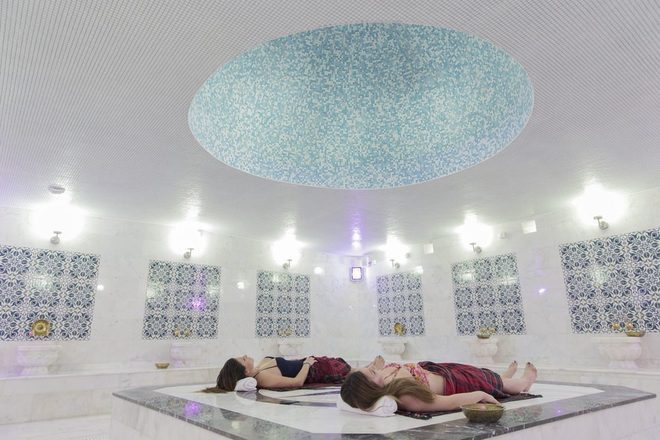
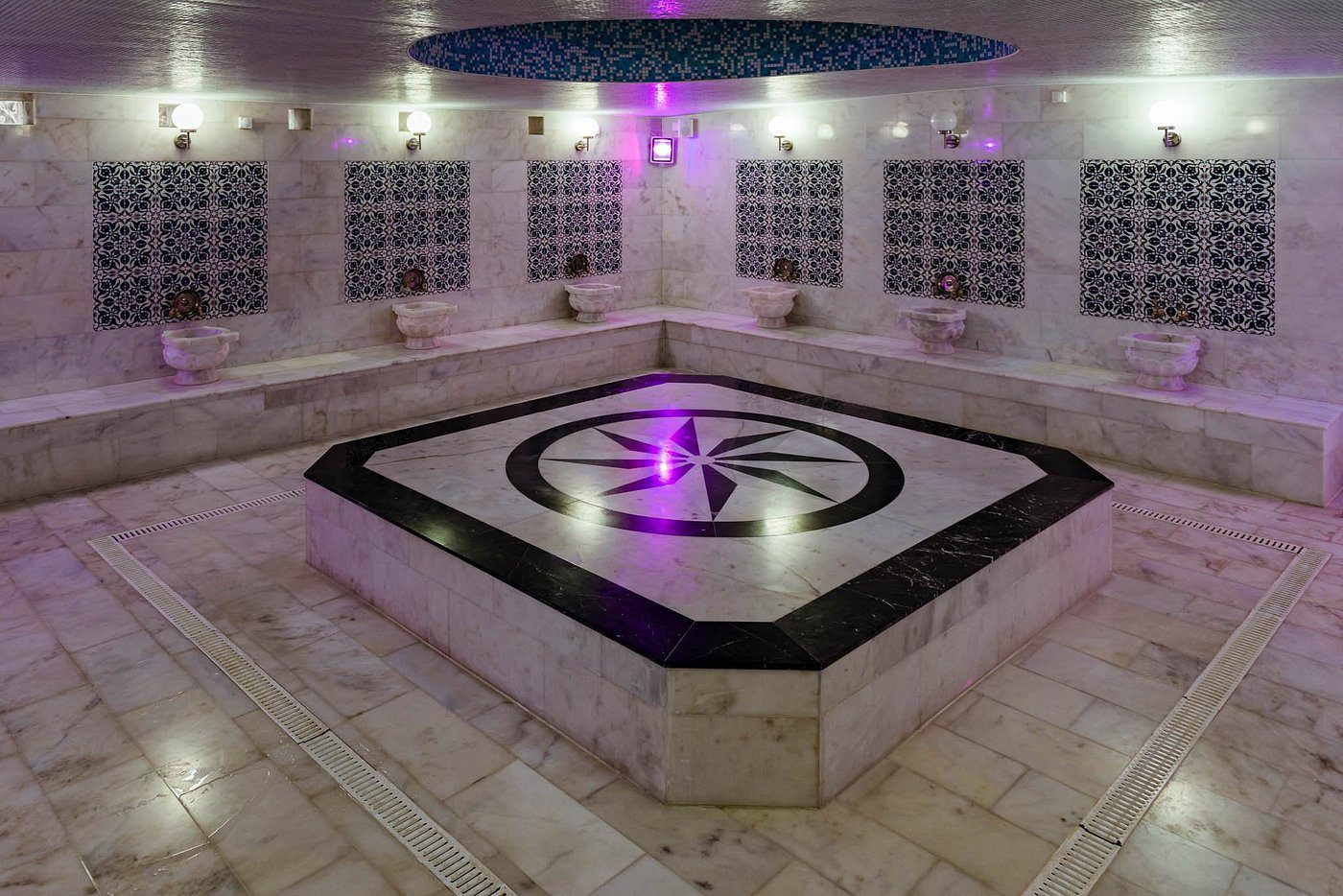
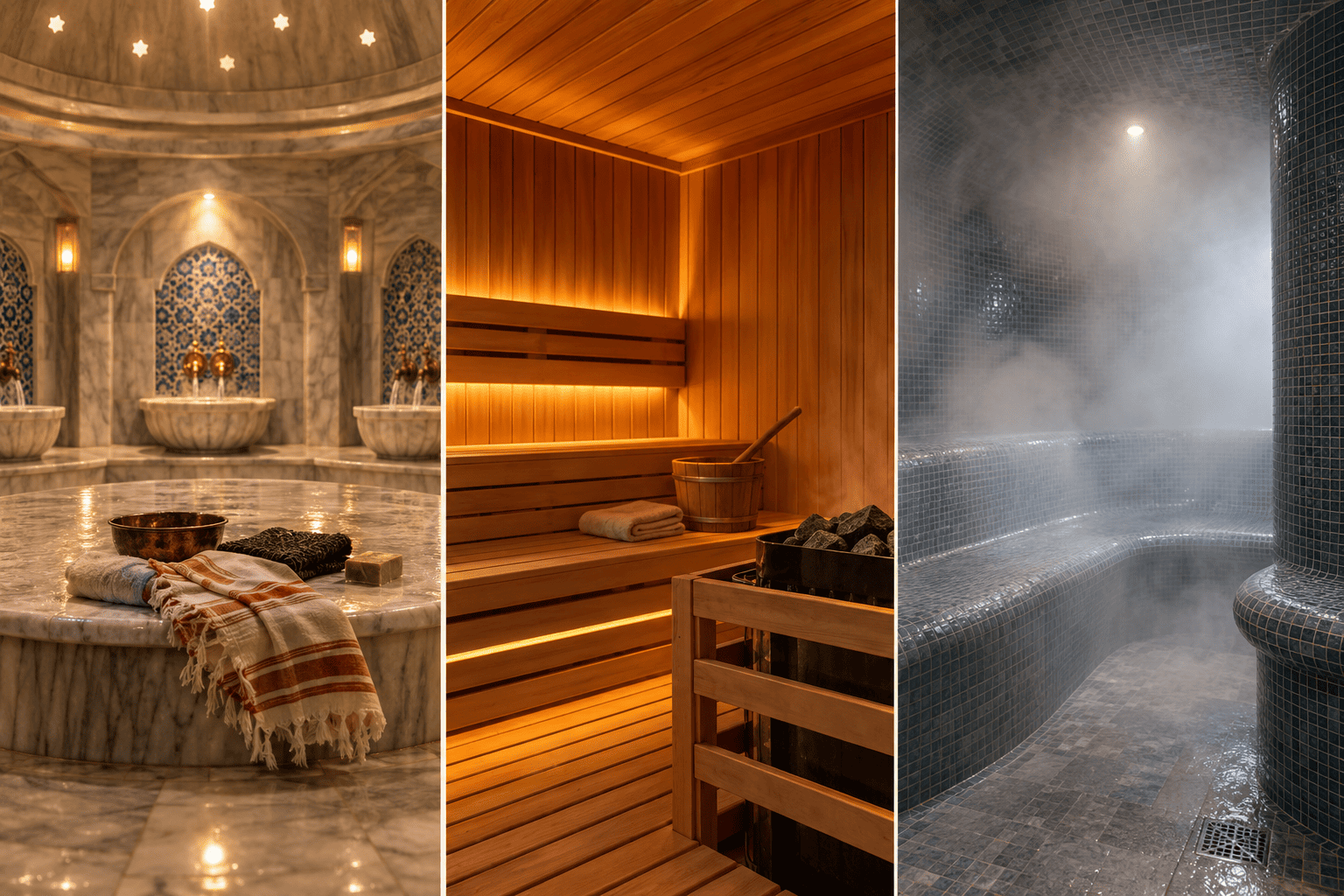
The hammam works through heat. Real, sustained, penetrating heat that relaxes the skin’s surface and causes your pores to dilate significantly. This is the whole point. Open pores mean the kessa mitt (that rough exfoliating glove) can reach built-up dead skin cells, sebum, and debris that have been sitting in there for weeks.
The problem? Dilated pores are also more vulnerable. If any comedogenic product comes into contact with your skin in the hours after a hammam, it goes straight in. Same with bacteria. If you’re touching your face, using a rich cream that your skin isn’t ready for, or stepping into a polluted environment immediately post-session, you’re essentially giving all of that direct access.
The Purge Is Real
This one surprises a lot of people. Breakouts after a hammam session can actually be a detox response, not a skin irritation. When you exfoliate deeply and increase circulation to the skin’s surface, congestion that was sitting below the skin’s top layers gets pushed upward. Spots that were already forming, just not yet visible, suddenly appear within 24 to 72 hours.
It feels like the hammam caused the breakout. It didn’t. It just accelerated what was already coming. This kind of purging is short-lived and usually clears faster than a typical breakout cycle.
Hygiene in the Hammam Itself
Know that not all hammam facilities maintain the same hygiene standards. Shared steam rooms, communal marble slabs, kessa mitts that haven’t been changed between clients, these are all potential sources of bacterial transfer. If your skin barrier is compromised (which it is, temporarily, right after a scrub), it’s more susceptible to picking something up.
This is particularly relevant for people with acne-prone or sensitive skin. Breakouts after a hammam session in this case are less about the treatment itself and more about the environment it happened in. A good hammam uses fresh mitts for every client and keeps the slab clean between sessions. It’s completely fine to ask about this before you book.
Your Own Products Might Be the Culprit
What you put on your skin immediately after a hammam matters a lot. Many people reach for heavy oils or thick moisturizers because the skin feels so fresh and receptive. And it is receptive, which is exactly the issue.
Post-hammam skin absorbs everything faster. If you’re using argan oil, coconut oil, or any occlusive moisturizer that you wouldn’t normally reach for, there’s a real chance it’s clogging freshly opened pores.
What to Use Instead
Stick to something lightweight and non-comedogenic right after your session. A gel moisturizer, a simple hyaluronic acid serum, or honestly even just water and time. Your skin doesn’t need heavy products at that moment. It needs to breathe.
Hormones And Heat Don’t Always Get Along
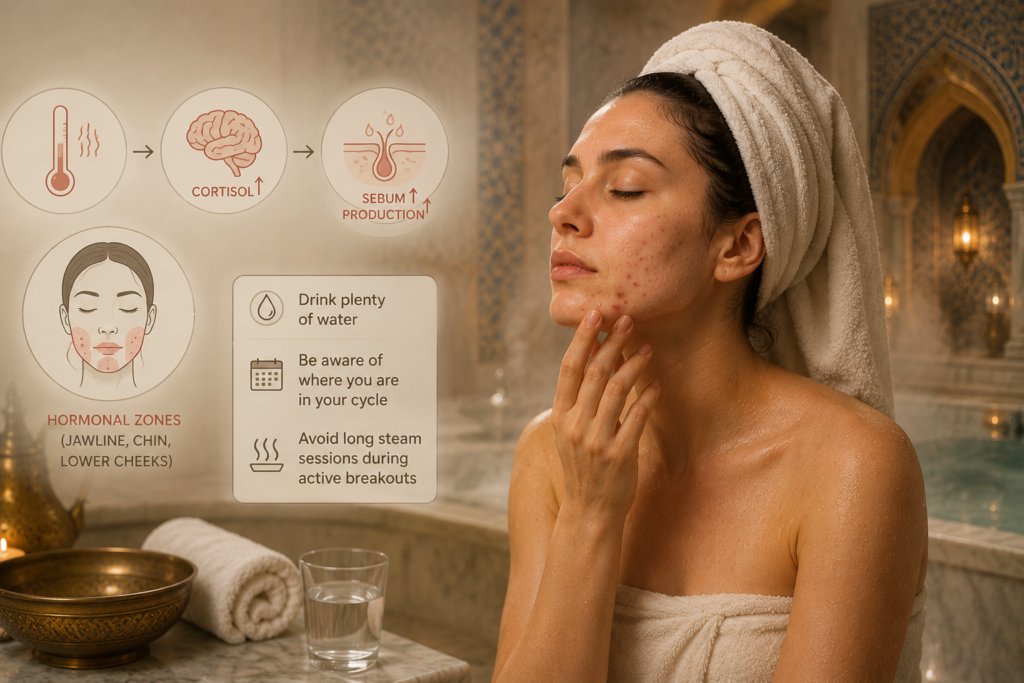
Intense heat can temporarily spike cortisol and affect sebum production, especially for people who are already dealing with hormonal acne. If your breakouts after a hammam session consistently appear in hormonal zones (jawline, chin, lower cheeks), heat-triggered sebum overproduction might be part of what’s going on.
This doesn’t mean you need to avoid the hammam entirely. It just means being aware of where you are in your cycle, drinking plenty of water before and after, and not going into the steam room for extended periods if your skin is already in an active breakout phase.
Over-Exfoliation Is a Thing
A kessa scrub done well is genuinely one of the best things you can do for your skin. Done too aggressively, or too frequently, it’s another story. Stripping too much of the skin’s protective barrier in one session leaves it raw and reactive. Breakouts, redness, and sensitivity can all follow.
If you’re going regularly, once every three to four weeks is generally plenty for most skin types. And if the therapist is scrubbing so hard it hurts? Say something. It’s not supposed to feel painful.
What to Do If You Keep Breaking Out
First, rule out the obvious. Are you using new products post-treatment? Is the facility using fresh equipment? Are you going too frequently?
If none of those apply and you’re still experiencing breakouts after a hammam session every time, it’s worth doing a patch test approach. Go for a shorter session with less steam, skip any add-on treatments, and see how your skin responds. You might find a gentler version of the experience works perfectly well.
And genuinely, if breakouts persist and are severe, speaking to a dermatologist before your next session is just the smart move.
Come And Experience It Right
At The Old Hammam & Spa in Edmonton, London, we take the full experience seriously, including the hygiene, the technique, and the aftercare advice we give every single client. We use fresh kessa mitts for every person, keep our marble slabs properly maintained, and our therapists are trained to read your skin rather than apply one-size-fits-all pressure.
Breakouts after a hammam session shouldn’t be your normal. When it’s done right, in a clean space with proper technique, most people walk away with genuinely clearer skin over time, not more spots.
Ready to try it properly? Book your session at The Old Hammam in Edmonton, London and find out what a real hammam feels like when every detail is looked after. Your skin will thank you within the week.