Black soap has built a loyal following for good reason. It’s loved for its deep cleansing ability, natural ingredients, and the fresh feeling it leaves behind. Whether you’re using it at home or during a hammam session, black soap plays a key role in softening the skin before exfoliation. But like many skincare products, timing matters.
A question that surprises many first time users is: What happens when black soap stays on the skin longer than recommended. It might seem harmless to leave it on for a few extra minutes, especially if you think it’ll work even better. The reality is a little different.
Let’s explore exactly what can happen, why timing is important, and how to get the best results without putting unnecessary stress on your skin.
Why Black Soap Isn’t Meant to Sit for Too Long
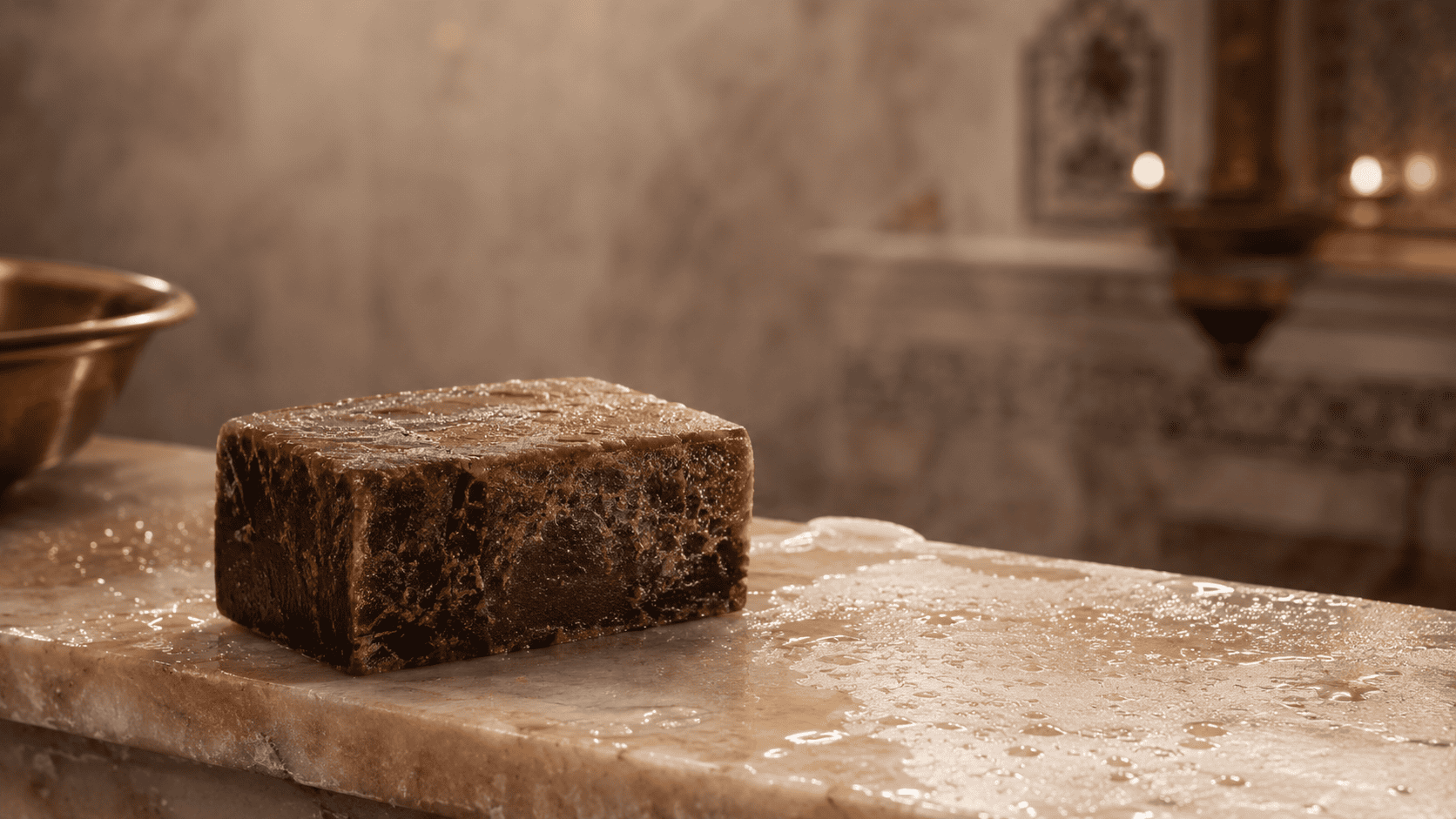
Traditional black soap is designed to soften the outer layer of dead skin. That’s its job. During a hammam, the warm steam opens the pores while the soap prepares the skin for exfoliation with a kessa glove.
It isn’t a face mask or a treatment that’s supposed to dry on the skin. Instead, it works fairly quickly. In many professional hammams, it’s left on for only five to ten minutes before being rinsed away and followed by exfoliation.
People sometimes assume that longer contact means deeper cleansing. That’s understandable. We often think “more is better” when it comes to skincare. But black soap doesn’t really work that way.
The Skin Can Become Overly Soft
One of the first things that happens when black soap stays on longer than intended is that the outer layer of skin becomes excessively softened.
That may sound like a good thing, but it can actually create problems during exfoliation. Skin that’s too soft is more vulnerable to friction. Instead of removing only dead skin cells, the exfoliating glove may start irritating healthy skin underneath. The result? Redness. Tenderness. That uncomfortable feeling where even water seems to sting. It’s the opposite of the smooth, refreshed finish people expect after a relaxing hammam.
Moisture Loss Can Sneak Up on You
Here’s something many people don’t realize. A product that feels moisturizing while it’s on your skin can sometimes leave the skin feeling dry afterward if it’s left on for too long.
Black soap softens and loosens oils on the skin’s surface. When exposure goes beyond the recommended time, some of the skin’s natural protective oils may be removed more than intended.
That can leave your skin feeling:
- Tight
- Dry
- Slightly flaky
- Less comfortable than usual
People with naturally dry or sensitive skin usually notice this first.
Sensitive Skin Reacts Faster
Not everyone’s skin behaves the same way. That’s one reason skincare advice can seem confusing.
If your skin barrier is already a little compromised from weather, over exfoliation, or active skincare ingredients like retinol or acids, leaving black soap on too long can increase irritation.
You might notice:
- Burning sensations
- Persistent redness
- Itching
- Increased sensitivity to moisturizers or sunscreen afterward
This is one of the biggest reasons professionals follow recommended application times instead of guessing.
Heat Makes Everything Stronger
The answer to what happens when black soap stays on the skin longer than recommended, becomes even more important inside a heated hammam.
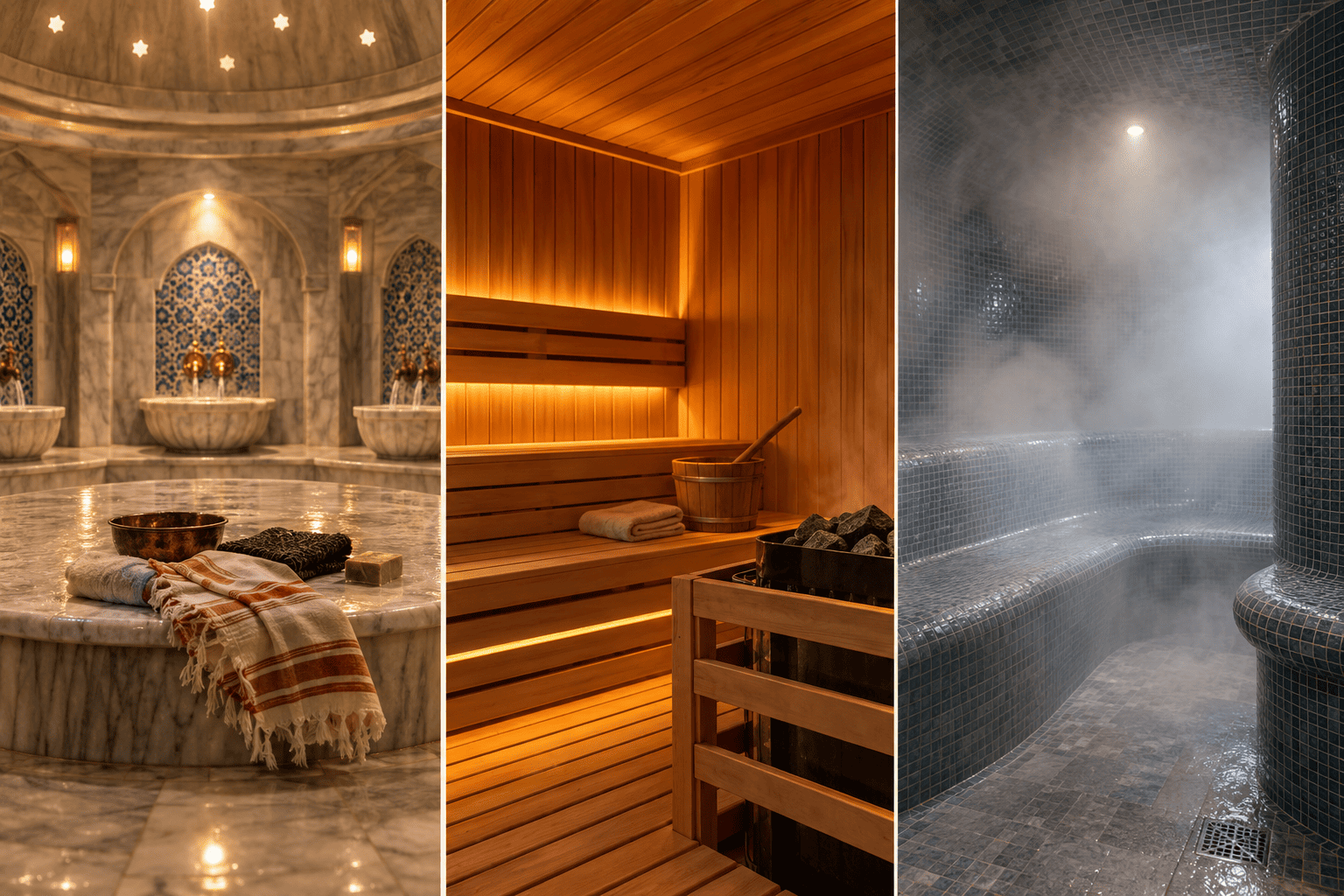
Warm steam changes how your skin behaves. Your pores open more easily. Circulation increases. The skin absorbs moisture differently. Because of these conditions, black soap often works faster in a steam room than it would in an ordinary bathroom at home. Leaving it on for an extended period inside that heated environment can amplify its effects.
In other words, ten extra minutes inside a warm hammam isn’t the same as ten extra minutes in a cool room.
You May Experience Temporary Redness

Some redness after exfoliation is perfectly normal. Deep, lingering redness isn’t.
When black soap remains on the skin beyond its recommended time, it can make the following exfoliation more aggressive than intended. Healthy skin becomes easier to irritate, especially around thinner areas like the chest, neck, inner arms, and face.
The redness usually settles within a few hours, but repeated irritation isn’t something you want to make a habit of.
Healthy skincare should leave your skin calm, not constantly recovering.
Can It Damage the Skin Barrier?
It can contribute to barrier disruption if it happens repeatedly. Your skin barrier is incredibly important. It’s responsible for keeping moisture in while helping protect against bacteria, pollution, and environmental stress.
Repeatedly leaving black soap on for excessive periods, especially when combined with vigorous scrubbing, may weaken that protective layer over time.
Signs your skin barrier may be struggling include:
- Constant dryness
- Increased breakouts
- Rough patches
- Sensitivity to products you’ve always tolerated
- Skin that feels sore after washing
Fortunately, this usually improves with gentle skincare and giving your skin time to recover.
Less Is Often More
This is where many people are surprised. Using more black soap or leaving it on longer doesn’t necessarily produce cleaner skin. Dead skin only softens so much.
After that point, extra exposure offers very little benefit while increasing the chance of irritation.
Professional therapists understand this balance well. They focus on proper preparation, correct timing, and gentle but effective exfoliation rather than trying to make the soap do all the work. Sometimes the simplest routine really is the smartest one.
Every Skin Type Responds Differently
One person might leave black soap on for fifteen minutes and notice almost nothing. Someone else may experience redness after only eight.
Skin type plays a huge role:
- Oily skin often tolerates cleansing products a little better.
- Dry skin usually loses moisture more quickly.
- Sensitive skin tends to react sooner.
- Mature skin may require even gentler handling because the skin barrier naturally becomes thinner with age.
That’s why there’s no magic number that works for absolutely everyone. The manufacturer’s instructions and professional guidance exist for a reason.
The Best Way to Use Black Soap
If you want the full benefits without unnecessary irritation, keep the process simple. Apply black soap to warm, damp skin after spending a few minutes in steam or warm water. Leave it on only for the recommended amount of time, usually between five and ten minutes. Rinse lightly if your chosen method recommends it, then exfoliate gently using a kessa glove. Finish by rinsing thoroughly and applying a nourishing moisturizer or natural oil to lock hydration back into the skin.
Consistency beats intensity every single time.
Final Thoughts
If you’ve ever wondered what happens when black soap stays on the skin longer than recommended, the answer is fairly straightforward. While black soap is incredibly effective when used correctly, extending its contact time doesn’t usually improve the results. Instead, it may leave your skin overly softened, dry, irritated, or more vulnerable during exfoliation.
Following recommended timing allows the soap to do exactly what it was designed to do without placing unnecessary stress on your skin. Whether you’re enjoying a relaxing hammam experience or using black soap at home, proper technique always delivers better results than simply leaving the product on longer.
At The Old Hammam & Spa in Edmonton London, we believe authentic hammam treatments should leave your skin feeling refreshed, comfortable, and naturally radiant. Our experienced therapists carefully follow traditional techniques while tailoring each treatment to your individual skin needs.
If you’re ready to experience a genuine hammam in a relaxing and professional setting, book your appointment with The Old Hammam today. We’d love to help you enjoy healthier, softer skin the way it was meant to be.