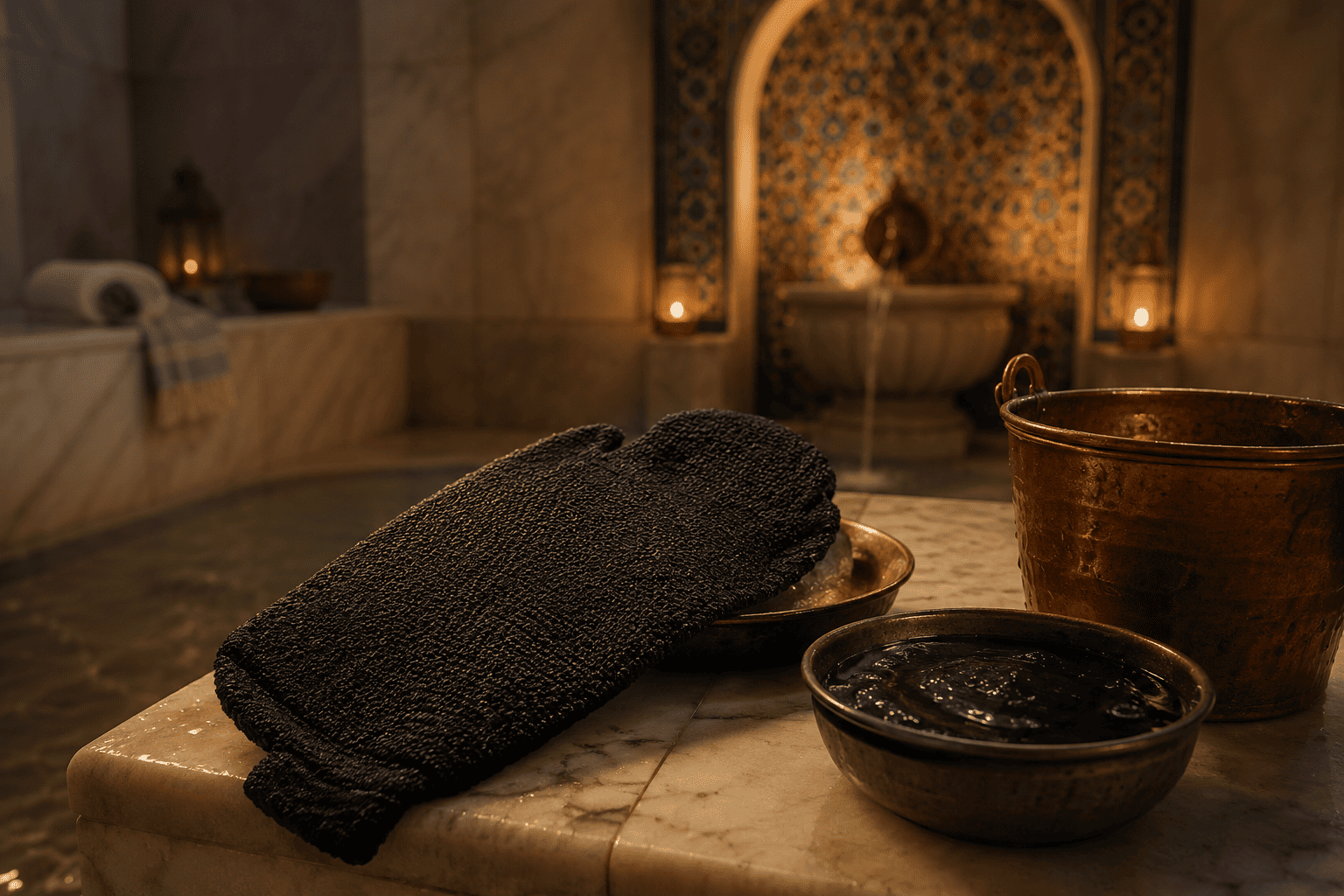
You’ve been to the hammam before. You know the drill. Steam, warmth, that slow surrender your body makes when the heat finally wins. And then comes the kessa glove, dragged across your skin in long, firm strokes, and suddenly it’s like sandpaper. Actual sandpaper.
You’re gripping the marble slab wondering what changed since last time.
Nothing changed about the glove. That’s the thing.
Why a Kessa Glove Feels More Aggressive on Some Days is one of those questions that sounds simple but opens up something genuinely fascinating about skin biology, hydration, and the whole chemistry of exfoliation.
Your Skin Isn’t the Same Skin It Was Last Week
Skin is dynamic. It’s not a fixed surface, it’s constantly cycling through stages of renewal, and depending on where your skin is in that cycle, the kessa glove is going to land very differently.
When your outermost layer, the stratum corneum, is thick with built-up dead cells, the glove has more to grip. More friction. More of that satisfying (and slightly alarming) roll of grey skin debris that hammam regulars know well. But when you’ve recently exfoliated, or your skin is mid-renewal, that layer is thinner and the nerve endings underneath are closer to the surface. Hence: ouch.
It’s not that the glove got rougher. It’s that you got more sensitive.
Hydration Changes Everything
Dry skin and the kessa glove are not friends. When skin is dehydrated, it tightens, the surface becomes uneven, and any friction against it hits harder.
This is why the steam room isn’t just a nice preamble to the scrub. It’s essential. The heat and humidity soften the keratin proteins in your skin, basically loosening the top layer so the kessa can do its job smoothly. If you’ve had a rough night, skipped water all day, or you’re in that winter-skin phase where everything feels tight and chalky, the glove is going to feel brutal.
Why a kessa glove feels more aggressive on some days often traces directly back to this: you walked in dehydrated, didn’t steam long enough, and went straight into the scrub.
Even fifteen extra minutes in the steam can transform the experience.
Hormones, Stress, And Skin Sensitivity
This one surprises people. Your stress levels and hormoneargan fluctuations genuinely affect how your skin responds to exfoliation.
During high-cortisol periods (stress, poor sleep, illness), skin becomes more reactive. The barrier function weakens, which means the skin’s ability to protect itself drops. A kessa glove that felt totally manageable three weeks ago can suddenly feel like you’re being scrubbed with gravel.
Women often notice this particularly in the week before their period, when skin sensitivity spikes noticeably. But it’s not exclusive, anyone under chronic stress tends to find physical treatments hit harder than expected.
This is actually one of the reasons a good hammam attendant, a tellak or kessecci, reads the client’s skin before going in. You can feel the difference in someone’s skin texture within the first few strokes. A skilled hand knows when to ease up.
The Glove Itself Does Change Over Time
Okay, so sometimes it is the glove.
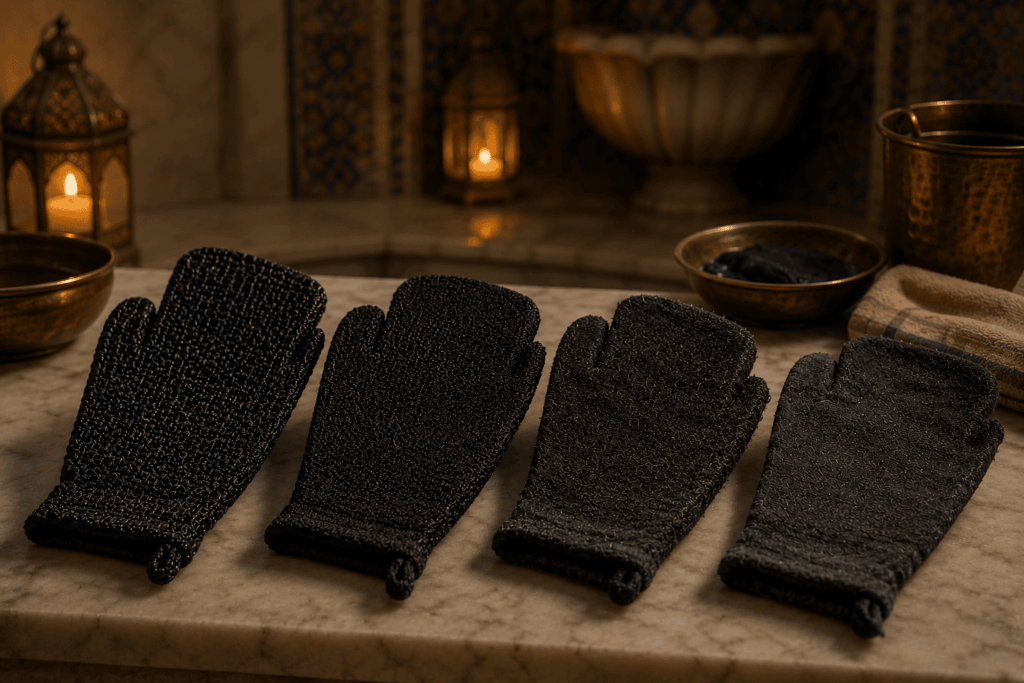
A brand-new kessa glove is stiff, tightly woven, and aggressive by design. After several uses, it softens. The fibres loosen, the texture mellows, and the whole experience becomes more forgiving.
If you’ve borrowed someone else’s glove, or you’re at a hammam using a fresh one, that roughness you’re feeling is literal. New gloves are noticeably more abrasive than broken-in ones, which is why seasoned hammam-goers often bring their own.
Also worth knowing: a wet kessa glove behaves differently from a slightly damp one. Fully saturated, it glides more.
Less wet, it grips more. The attendant’s technique, including how much water they use during the scrub, directly affects the intensity.
How Long You’ve Waited Between Visits
Timing matters more than most people realise. If it’s been six weeks since your last hammam, you’ve got a serious accumulation of dead skin waiting to come off. The glove has more material to work through, and that process creates heat and friction.
But, if it’s been too long and you’re not properly steamed, that thick layer of dead cells can actually resist the glove rather than release. So the scrub feels harder and less effective at the same time, which is genuinely frustrating.
The sweet spot for most people is every two to three weeks. Regular enough that the skin cycles predictably, not so frequent that you’re scrubbing skin that hasn’t fully renewed yet. Why a kessa glove feels more aggressive on certain days is sometimes simply a matter of timing being off.
Skin Type And Seasonal Shifts
Sensitive skin types will always feel the glove more acutely. But even people with resilient skin notice seasonal differences.
Winter skin is drier, more reactive, and often depleted from central heating. Summer skin tends to be more hydrated from heat and sweat, paradoxically more ready for exfoliation. Spring and autumn bring transitions that can make skin unpredictable.
Why does a kessa glove feel more aggressive some days than others during seasonal shifts? Because your skin’s moisture balance is changing faster than your hammam schedule can keep up with. It’s worth adjusting how long you steam and how much argan oil or black soap is used in preparation, based on the season you’re in.
Come And Experience It Properly at The Old Hammam
And, now you know why a kessa glove feels more aggressive on some days than others! So, if you’ve had a patchy experience with kessa exfoliation before, whether it was too harsh, not effective enough, or just inconsistent, chances are the environment and technique were the variable, not your skin.
At The Old Hammam & Spa in Edmonton, London, every session is built around giving your skin the right conditions before a single stroke of the glove. Proper steam time. Traditional Moroccan black soap preparation. Attendants who actually know what they’re doing.
The result is an exfoliation that’s firm without feeling aggressive, thorough without leaving your skin raw.
Book your hammam session with us today and find out what the experience is supposed to feel like when everything is done right. Visit us at The Old Hammam, Edmonton, London, and let your skin have the reset it’s been waiting for.